
14 Amazing Small Galley Kitchen Organization Ideas
Discover 14 small galley kitchen organization ideas to use vertical space, clear counters, and store more in a tight layout without clutter.
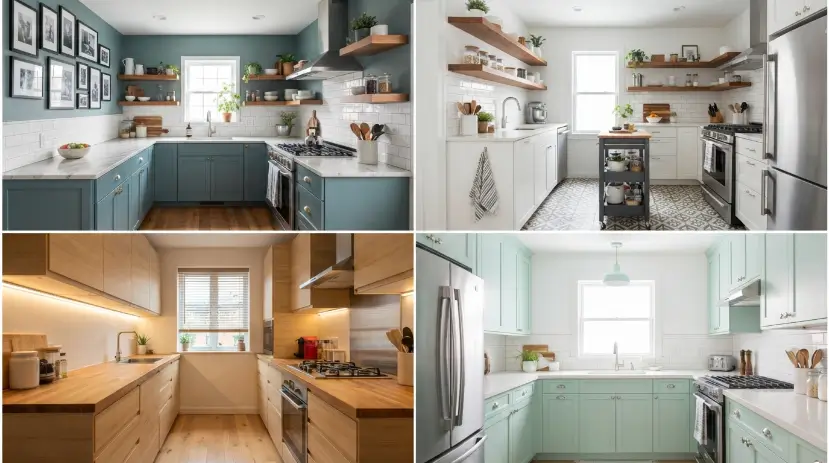
A galley kitchen packs two long runs of cabinets and counters into a narrow corridor. That layout is efficient for cooking, but it leaves clutter almost nowhere to hide. Good small galley kitchen organization comes down to three habits: use the walls, keep the counters clear, and give every item a home. These 14 small galley kitchen organization ideas show how to get there without a renovation, whether you rent or own.
1. Use Vertical Space for Small Galley Kitchen Organization
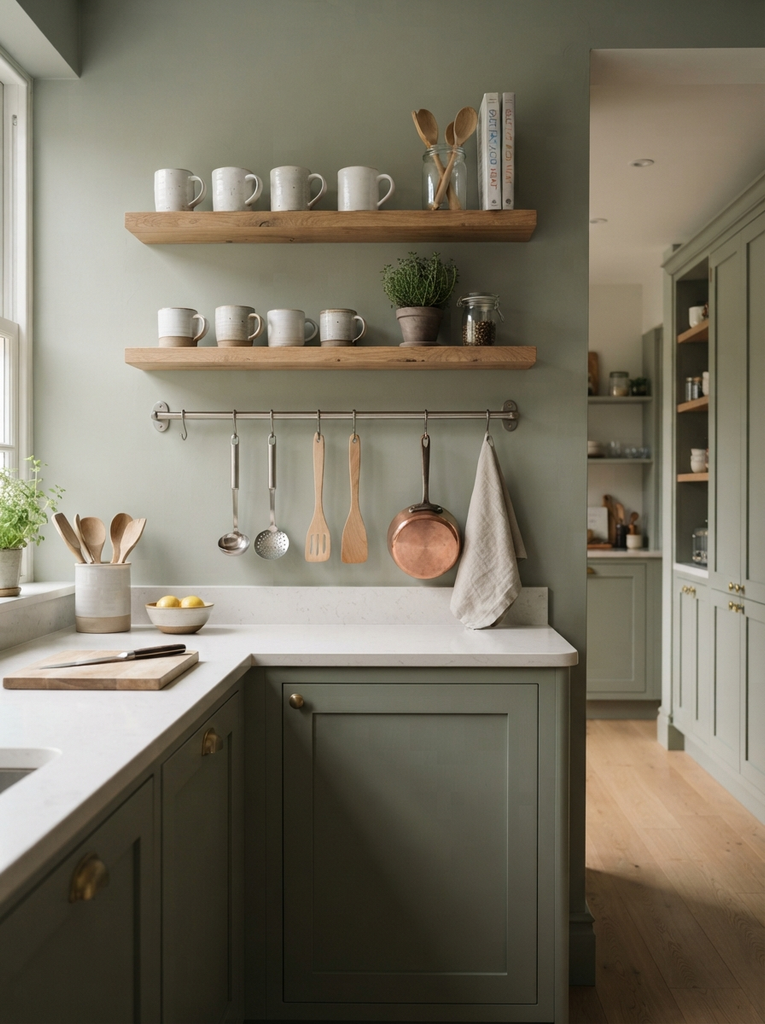
When the floor and counters are limited, the wall above them is your biggest untapped resource. Galley kitchens usually have a lot of it, and most of it goes unused above eye level. Moving items upward frees up the surfaces you actually work on.
Add Wall-Mounted Shelves and Rails
Narrow floating shelves work well above the counter, especially for daily dishes, jars, and cookbooks. Keep them shallow so they don’t crowd the walkway. A stainless steel rail with S-hooks is another easy option, and it can hold mugs, ladles, and small pans. Mount everything at a comfortable height so you never have to reach awkwardly across a hot stove.
2. Maximize Cabinet Space With Smart Small Galley Kitchen Organization
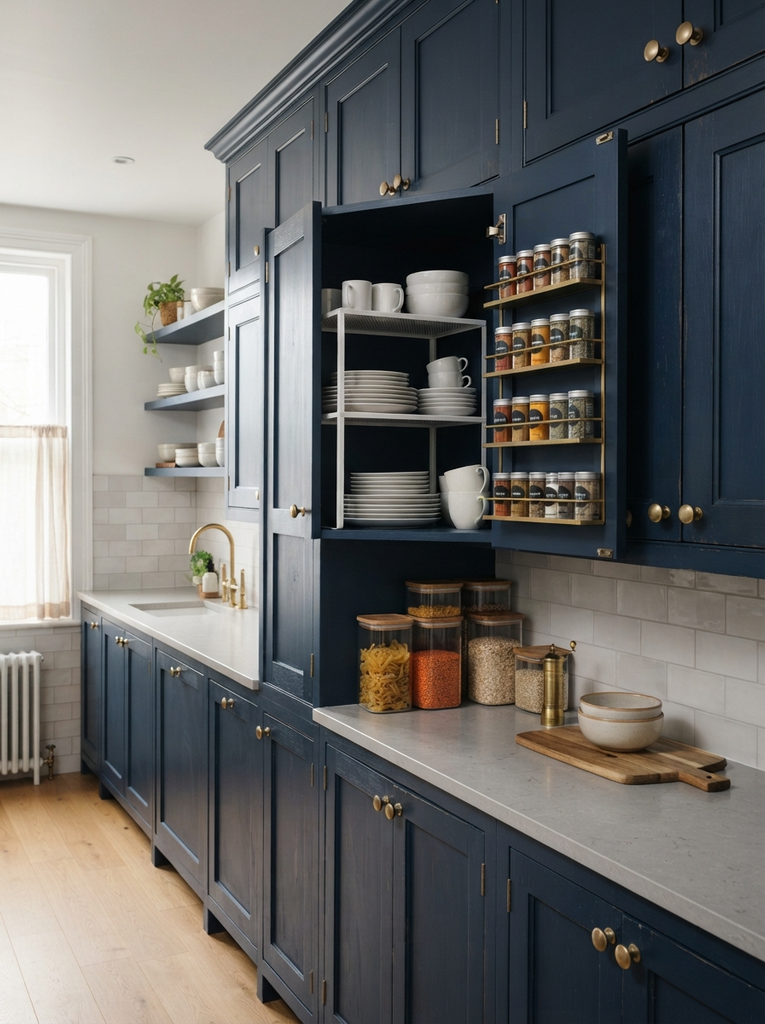
Most cabinets waste a surprising amount of space. Tall gaps sit above short stacks of plates, and the deep back corners are hard to reach. A few simple additions turn that dead space into usable storage. If you want more detail, our guide to small kitchen cabinet organization ideas goes deeper on this.
Use Cabinet Door and Interior Organizers
The back of a cabinet door is prime real estate. Slim racks can hold spices, foil, cutting boards, or cleaning supplies. Inside the cabinet, adjustable shelf risers let you stack plates and bowls on two levels instead of one. Clear bins keep small packets together, and they make it easy to see what you have at a glance.
3. Create a Pull Out Pantry for Small Galley Kitchen Organization
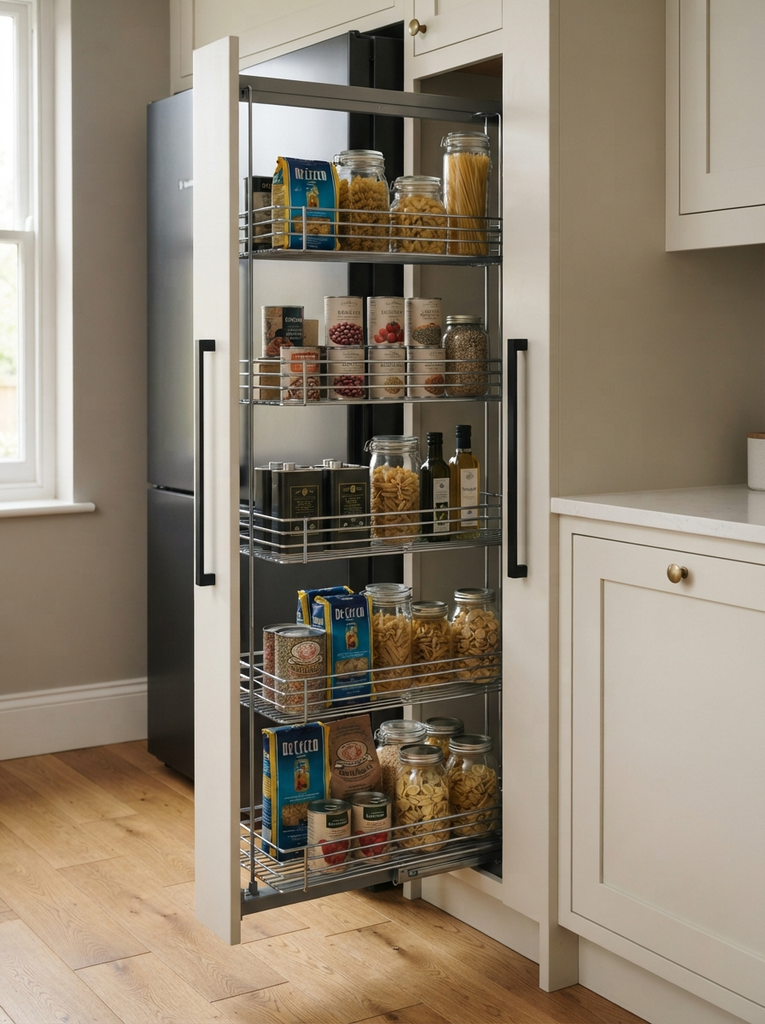
Galley kitchens rarely have a walk in pantry, but a narrow pull out unit can do much of the same job. These slim racks slide into gaps as thin as six inches between the fridge and a wall, or between two cabinets. They hold canned goods, oils, and boxed items in a single, easy to scan column. If you have no such gap, a tall cabinet fitted with pull out shelves works the same way. Everything comes to you, so nothing disappears into the back and expires unnoticed.
4. Keep Countertops Clear With Small Galley Kitchen Organization Ideas
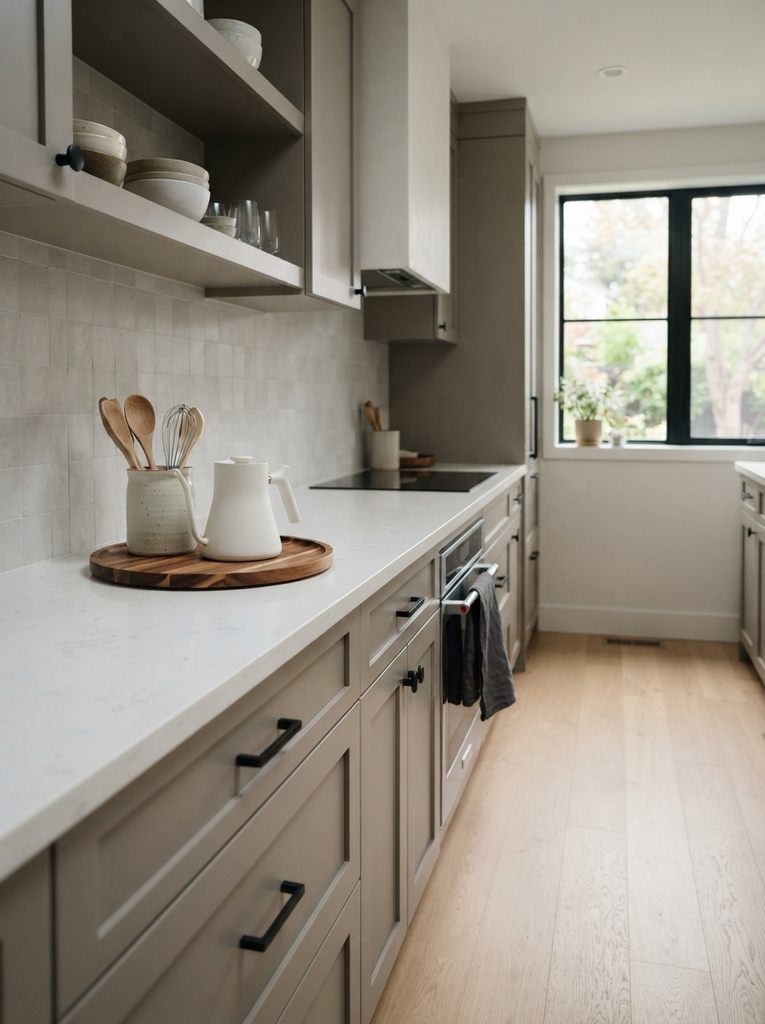
In a tight kitchen, counter space is your working space. Every appliance or jar left out cuts into the room you need to chop, mix, and plate. A clear counter also makes the whole kitchen look wider. For more ideas on this, see our roundup of small kitchen counter organization ideas.
Store Everyday Essentials Within Easy Reach
Clearing the counters doesn’t mean hiding everything. Keep only the few items you use every single day, such as the kettle, a cutting board, or a small utensil crock. Group them on a tray so they read as one tidy unit. Move everything else into cabinets, drawers, or onto the wall.
5. Use Open Shelving Without Creating Visual Clutter
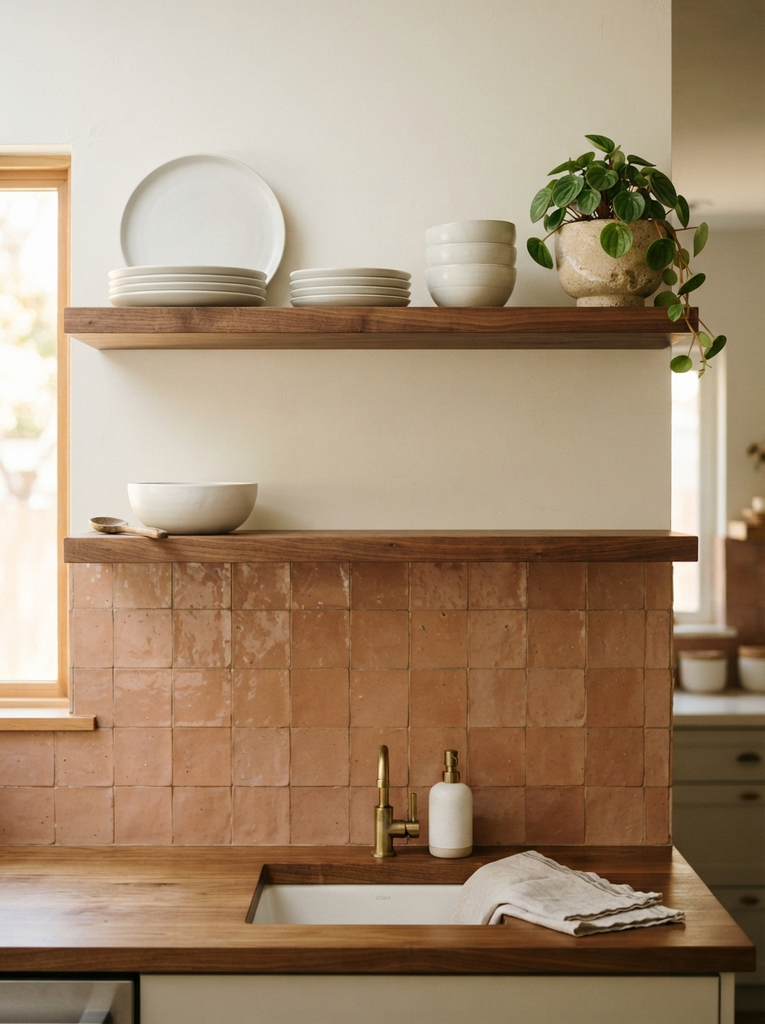
Open shelves can make a narrow kitchen feel airy, but they punish messy habits. The trick is restraint. Stick to matching containers, a limited color palette, and plenty of breathing room between items. Store everyday dishes and glassware in neat stacks, and leave one shelf partly empty on purpose. If a shelf starts looking crowded, that is your cue to move something into a closed cabinet.
6. Organize a Narrow Galley Kitchen With Slim Storage Solutions
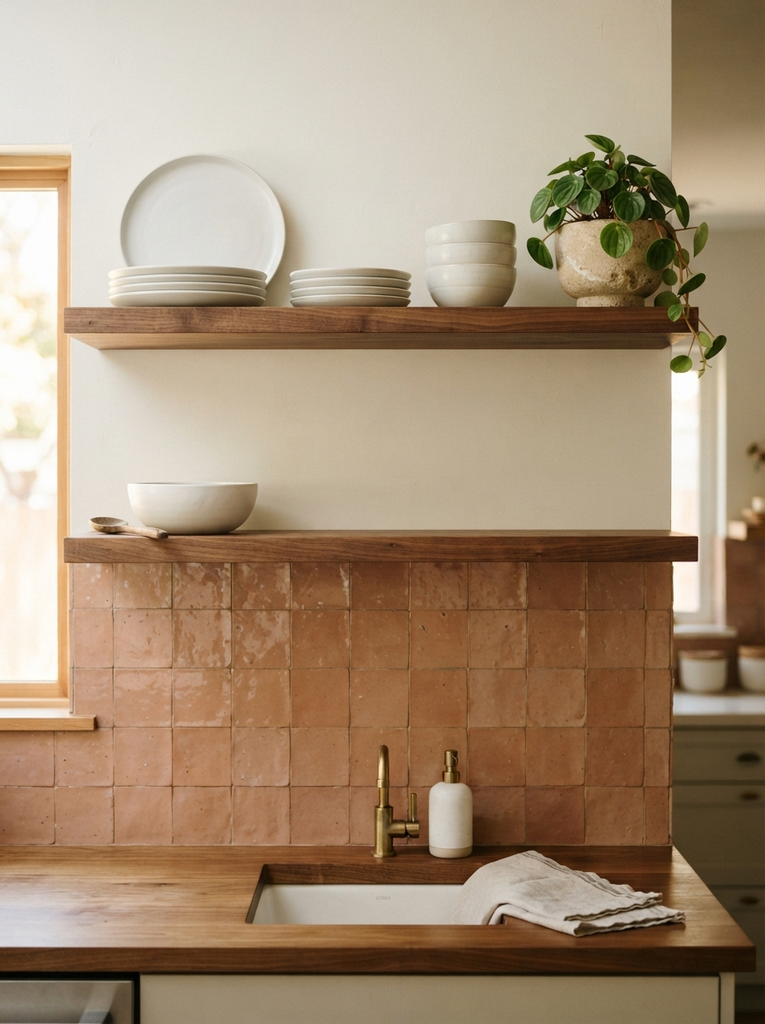
Bulky furniture doesn’t belong in a corridor kitchen. Choose slim, purpose built storage instead. A rolling cart only 6 to 8 inches wide can slide between the fridge and the wall. Narrow shelving units, thin spice racks, and tall, shallow cabinets all give you storage without blocking the walkway. Measure carefully before buying, because in a galley kitchen even an extra inch of depth is noticeable.
7. Make the Most of the Space Under the Sink
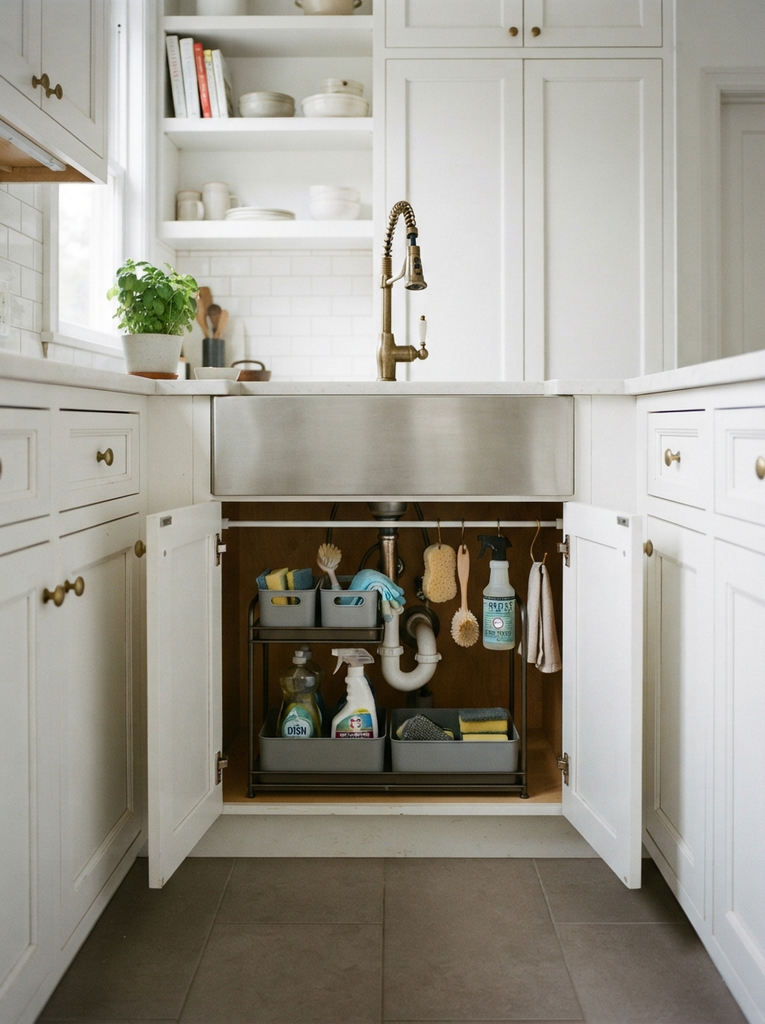
The area under the sink is awkward, with pipes running through it, but it is also large. A two tier sliding organizer works around the plumbing and gives you a second level of storage. Use small bins to sort sponges, dish soap, and cleaning sprays, and stick a tension rod across the top to hang spray bottles. Check for leaks regularly, since damp cabinets and stored supplies don’t mix well.
8. Add a Peg Rail for Easy Small Galley Kitchen Organization
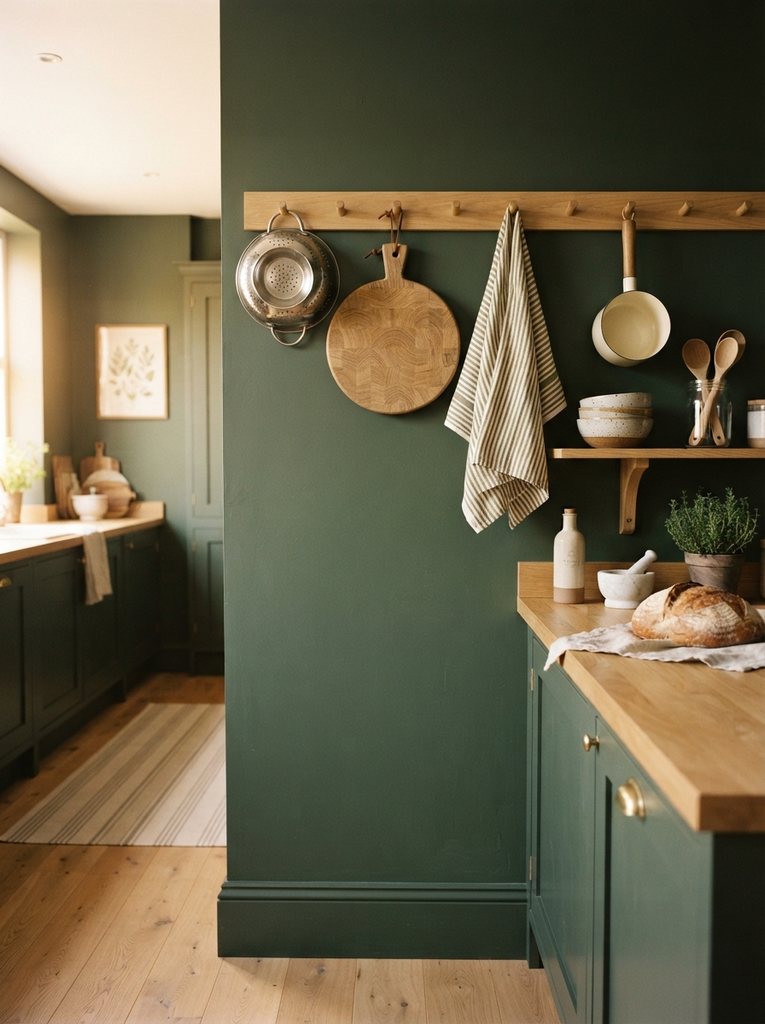
A peg rail is one of the most flexible tools you can add to a small kitchen. Pegs can be moved around as your needs change, so the same rail can hold pans one month and hang baskets the next. It works especially well on the end wall of a galley kitchen, where there is often unused space. Hang lightweight items like colanders, cutting boards, and oven mitts, and keep the heaviest cookware in low cabinets.
9. Use Drawer Dividers to Organize Small Kitchen Essentials
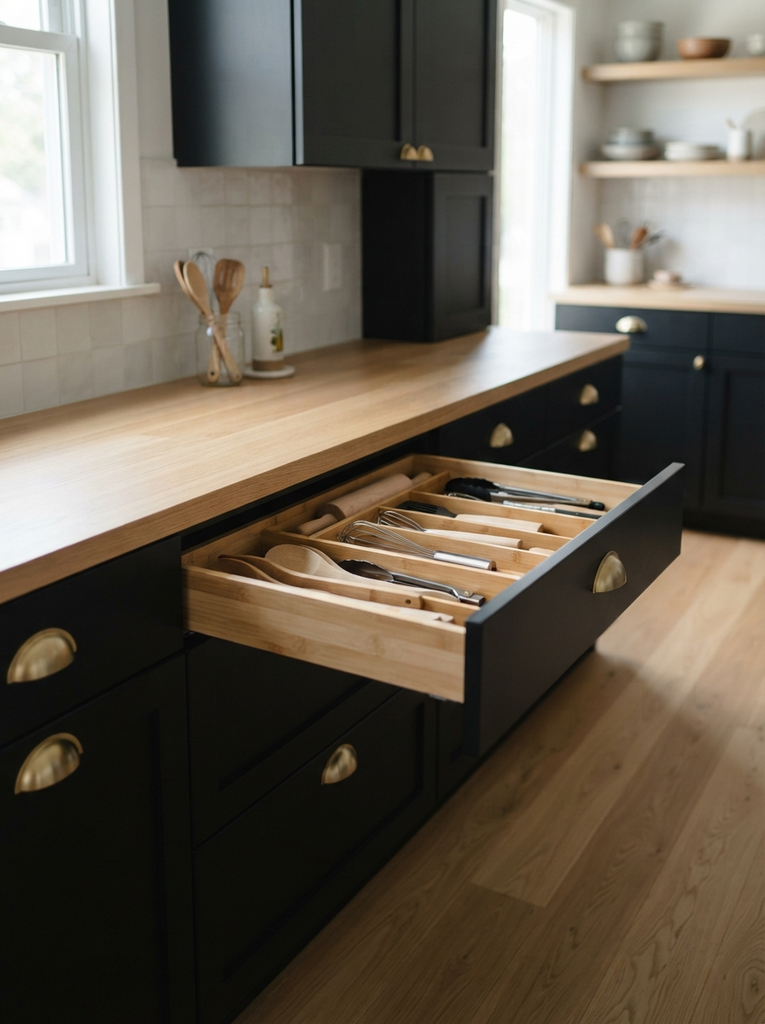
Drawers turn into junk zones very quickly, and in a small kitchen there are only a few of them. Dividers stop utensils from mixing with gadgets, and they let you see everything the moment you open the drawer. Expandable bamboo or plastic organizers adjust to almost any size. Assign one drawer to cooking tools, one to cutlery, and one to odds and ends, so you never have to dig for what you need.
10. Create Dedicated Zones for Better Small Galley Kitchen Organization
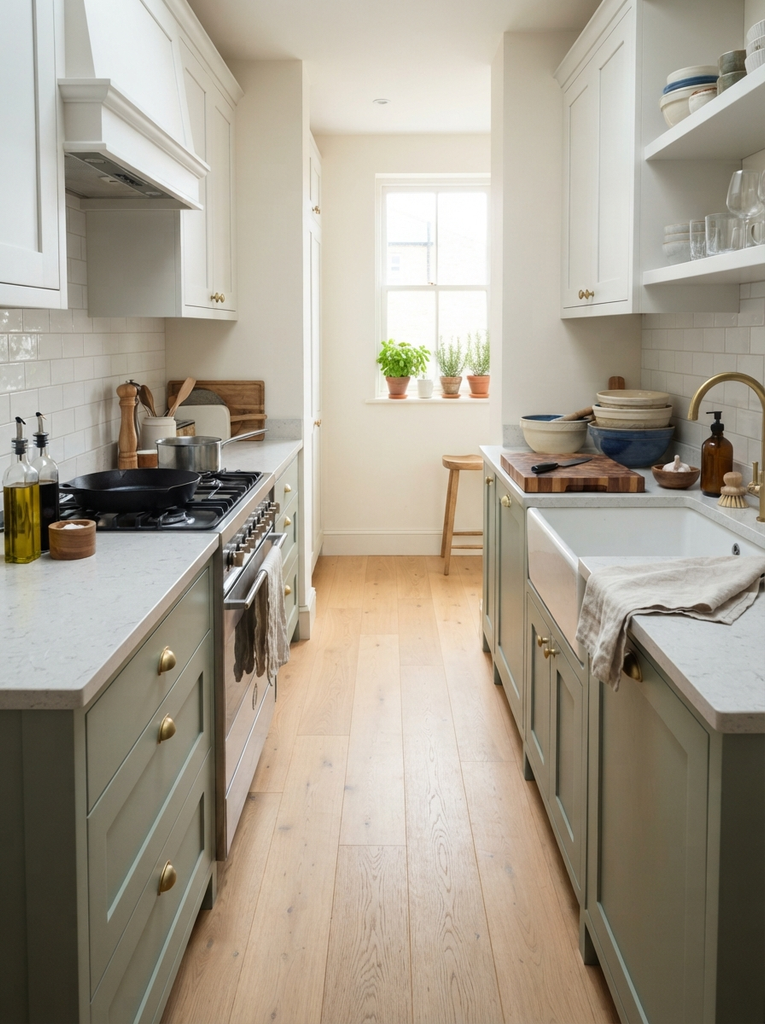
Because a galley kitchen is a straight line of workspace, it lends itself well to zones. When items are stored where you use them, you take fewer steps and make fewer trips back and forth.
Separate Cooking, Prep, and Cleaning Areas
Store pots, pans, oils, and spices near the stove. Keep knives, cutting boards, and mixing bowls near your main prep area. Put dish soap, towels, and cleaning supplies close to the sink. Once each zone has its own set of tools, cooking feels smoother, and putting things away becomes almost automatic.
11. Use the Refrigerator Side for Extra Storage
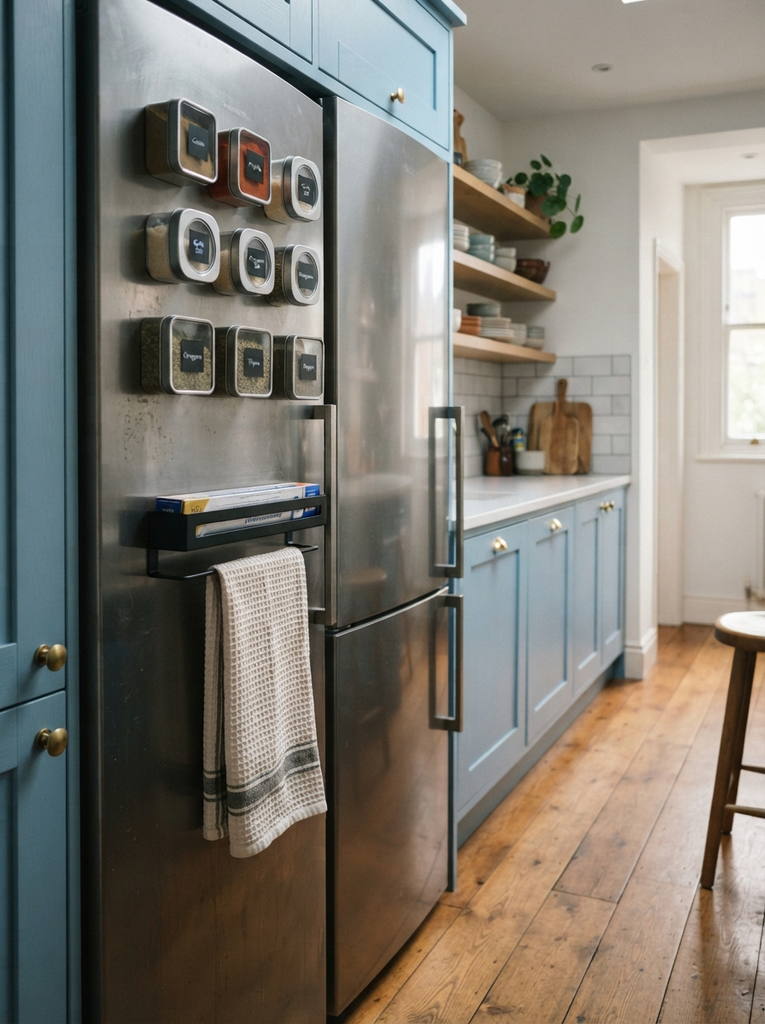
The side of the refrigerator is easy to forget, yet it is a perfectly good storage surface. Magnetic hooks, spice tins, and small racks stick right onto it, which is ideal for rentals since nothing needs to be drilled. Use it for light items like foil, towels, or a small notepad for grocery lists. Check that the fridge side is not warm before placing anything heat-sensitive there.
12. Choose Light Colors to Make an Organized Galley Kitchen Feel Bigger
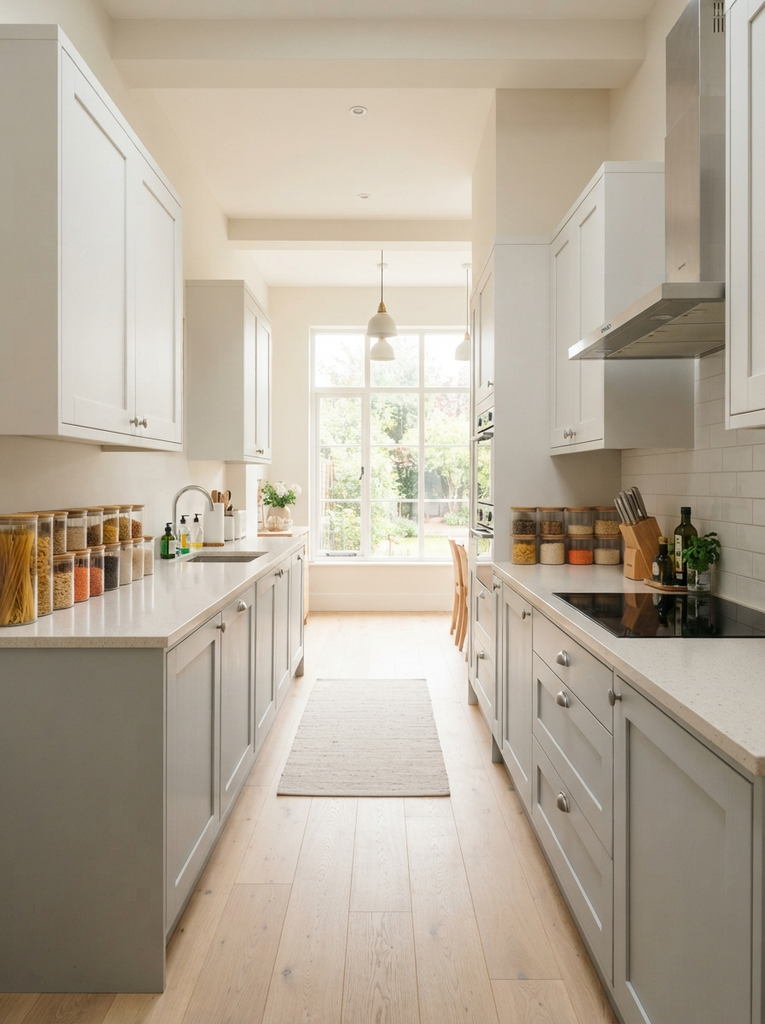
Color affects how organized a space feels. Soft whites, warm creams, and pale greys reflect light and make a narrow room feel wider. Matching containers and light cabinet fronts also reduce the visual noise that makes a small kitchen look crowded. If you are planning bigger changes, this small kitchen makeover offers more inspiration for brightening and streamlining a compact space.
13. Use Lighting to Improve Small Galley Kitchen Organization
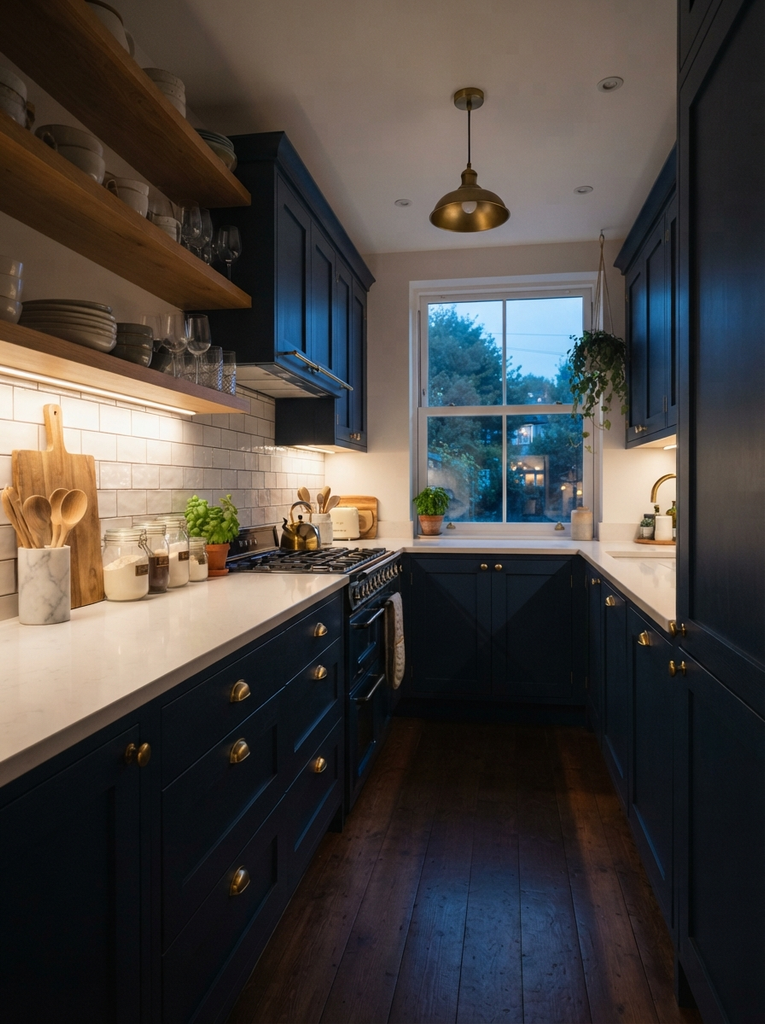
Poor lighting hides clutter and makes finding things harder. Under-cabinet LED strips brighten the counters and are easy to install, often needing only an adhesive strip and a plug or battery. Brighter task lighting also helps you notice when a shelf or drawer is getting messy. In a narrow room with limited natural light, good lighting makes the space feel larger and more welcoming.
14. Keep Only the Essentials for Long Term Small Galley Kitchen Organization
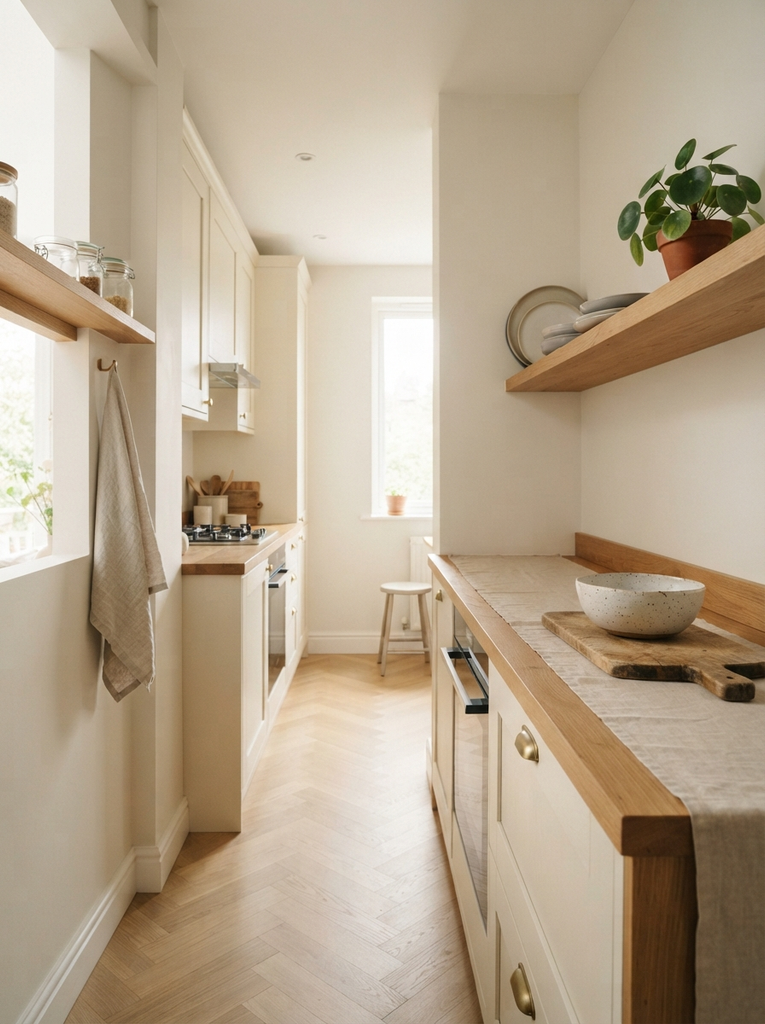
No organizer can compensate for owning more than the space holds. Once a year, go through your cabinets and drawers and check what you really use. Donate duplicate gadgets, mismatched containers, and anything that hasn’t left the cabinet in months. A smaller collection is easier to store, easier to find, and much easier to keep tidy.
How to Make Small Galley Kitchen Organization Easier
Good organization is only useful if it lasts. These simple habits help you keep the system working day after day.
Start With the Items You Use Every Day
Begin by deciding what you reach for most, such as your favorite pan, coffee supplies, or everyday plates. Give those items the best spots at eye level and arm’s reach. Store rarely used items, like party platters or holiday baking tins, higher up or further back.
Give Everything a Dedicated Place
Items without a home end up on the counter. Assign each category, from baking supplies to food storage containers, a specific shelf or drawer, and return things there every time. Labels can help at first, especially if other people share the kitchen, and after a few weeks the habit usually sticks.
Use Vertical Space Before Adding More Furniture
Before you buy another cart or cabinet, look up. Walls, cabinet doors, and the tops of cabinets can usually hold more than you expect. Extra furniture eats into an already narrow walkway, while wall storage keeps the floor clear.
Small Galley Kitchen Organization FAQs
How do you organize a very small galley kitchen?
Start by clearing everything out and keeping only what you use regularly. Then use vertical storage with rails, shelves, and door organizers, and group items by task so each zone has its own tools. Keep the counters as clear as possible to leave room for cooking.
How do you maximize storage in a small galley kitchen?
Look for wasted space. Shelf risers, over-the-door racks, under-sink organizers, and slim pull-out units all add storage without adding furniture. The sides of the refrigerator and the tops of cabinets are often overlooked, and both can hold lightweight items.
How do you keep a small galley kitchen countertop organized?
Limit what stays on the counter to a handful of daily essentials, and group them on a tray to keep them neat. Store small appliances you rarely use in cabinets, and make a habit of returning items to their spot after each meal. A quick two-minute reset at night keeps clutter from building up.
What should you avoid when organizing a small galley kitchen?
Avoid bulky furniture that narrows the walkway, and don’t buy organizers before measuring your space. It’s also best not to overfill open shelves or keep duplicates you don’t need. Finally, don’t ignore workflow. If you keep having to cross the kitchen for basic tools, the layout of your storage needs adjusting.