
20 Genius House Cleaning Hacks for a Tidier Space in No Time
Discover 20 genius house cleaning hacks that save time, tackle everyday messes, and help keep your home clean, organized, and tidy with less effort.
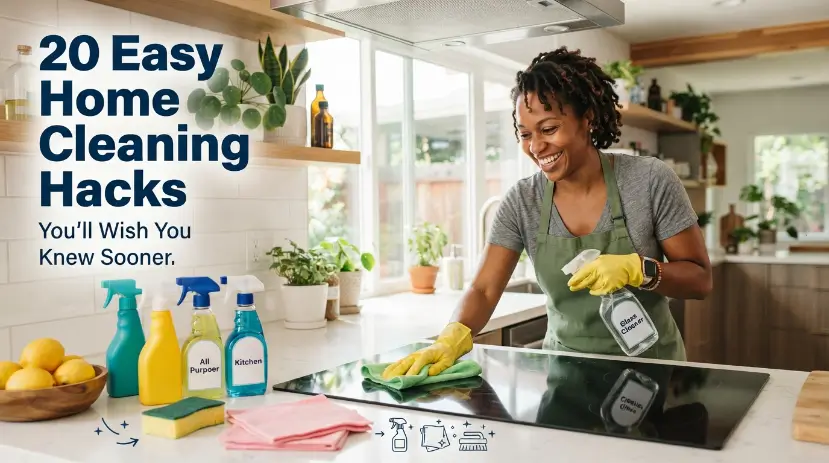
Keeping your home clean doesn’t have to mean spending your entire day scrubbing, dusting, and organizing. The right Genius house cleaning hacks can help you deal with everyday messes faster while making your space feel more comfortable and under control.
From dusty ceiling fans and greasy kitchen cabinets to pet hair and clutter, these simple tricks focus on common household problems. Most take only a few minutes and use tools or ingredients you may already have at home.
1. Start with a 10-Minute Genius House Cleaning Hack Reset

When your home feels messy, trying to clean everything at once can quickly become overwhelming. Instead, set a timer for 10 minutes and focus only on the areas that make the biggest visual difference.
Start by putting misplaced items back where they belong, collecting obvious trash, straightening cushions, and clearing visible surfaces. If you want to build this habit into a regular schedule, this house cleaning routine guide can help you organize daily and weekly cleaning tasks.Work quickly rather than trying to deep clean.
A useful approach is to move through the house in one direction so you don’t waste time going back and forth.
Quick tip: Keep a small basket nearby for items that belong in other rooms. Return everything to its proper place after the reset.
2. Use a Pillowcase to Dust Ceiling Fans Without the Mess

Ceiling fans collect a surprising amount of dust, and wiping the blades with a regular cloth can send that dust onto your furniture and floor.
Instead, slide an old pillowcase over one fan blade at a time. Gently wipe the blade while keeping the dust inside the pillowcase, then carefully remove it.
This simple method works especially well in bedrooms and living rooms where dusty fan blades can quickly affect the rest of the space.
Quick tip: Clean ceiling fans before dusting furniture or vacuuming so any remaining dust can be removed afterward.
3. Clean Baseboards Faster with a Microfiber Cloth

Baseboards often collect dust, hair, and small bits of dirt even when the rest of the room looks clean.
A slightly damp microfiber cloth can remove this buildup quickly. Run the cloth along the top edge first, then wipe the front surface.
For heavily dusty baseboards, vacuum loose dirt first so you don’t simply move it around.
Quick tip: Clean baseboards after dusting higher surfaces so falling dust doesn’t make you repeat the job.
4. Use a Squeegee to Remove Pet Hair from Carpets

Pet hair can be difficult to remove with a vacuum alone, particularly when it becomes embedded in carpet fibers.
A clean rubber squeegee can help loosen stubborn hair. Pull it across the carpet in short strokes, working toward one area so the hair gathers into manageable piles.
This trick is especially useful in homes with pets and low or medium-pile carpets.
Quick tip: Vacuum after using the squeegee to collect the loosened hair and remaining debris.
5. Freshen a Mattress with Baking Soda

Your mattress can collect odors and surface dust even when you regularly change your sheets.
To freshen it, remove all bedding and vacuum the mattress surface. Sprinkle a thin layer of baking soda over the mattress and let it sit for several hours before vacuuming it thoroughly.
This is a simple addition to your regular bedroom cleaning routine.
Quick tip: Don’t soak your mattress with cleaning solutions. Keeping moisture to a minimum helps prevent lingering dampness.
6. Remove Dust from Blinds with a Simple Sock Trick
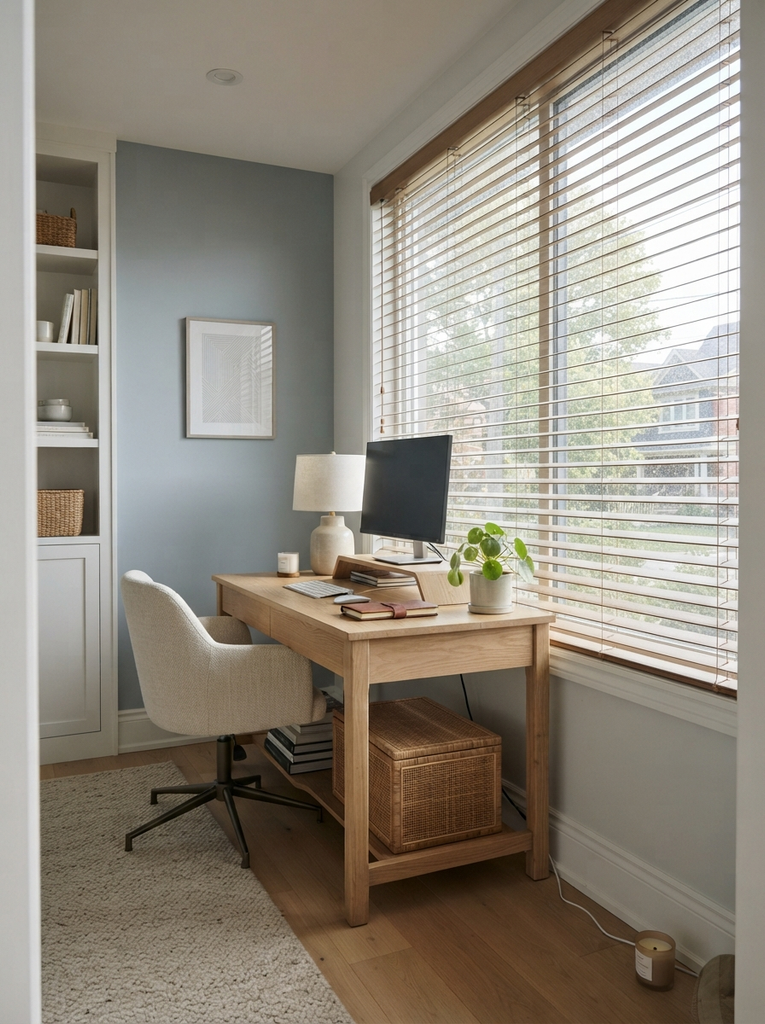
Blinds can be tedious to clean because dust settles on both sides of each slat.
Put a clean, soft sock over your hand and lightly wipe each slat. For more stubborn dust, slightly dampen the sock before wiping, then use a dry cloth afterward.
This works particularly well for regular dust maintenance.
Quick tip: Start at the top and work downward so dust doesn’t settle on areas you’ve already cleaned.
7. Try This Genius House Cleaning Hack for Shower Glass

Soap residue and mineral deposits can make shower glass look cloudy.
For surfaces where vinegar is appropriate, dilute white vinegar with water and apply it to the glass. Let it sit briefly, then wipe and rinse thoroughly.
Always check the manufacturer’s care instructions first, especially if your shower has a special coating or natural stone nearby.
Quick tip: A shower squeegee used after each shower can reduce the amount of water and residue left on the glass.
For more practical ways to keep your shower clean and reduce the chance of mold buildup, check out our guide to daily and weekly shower cleaning.
8. Make Faucets Shine with Lemon
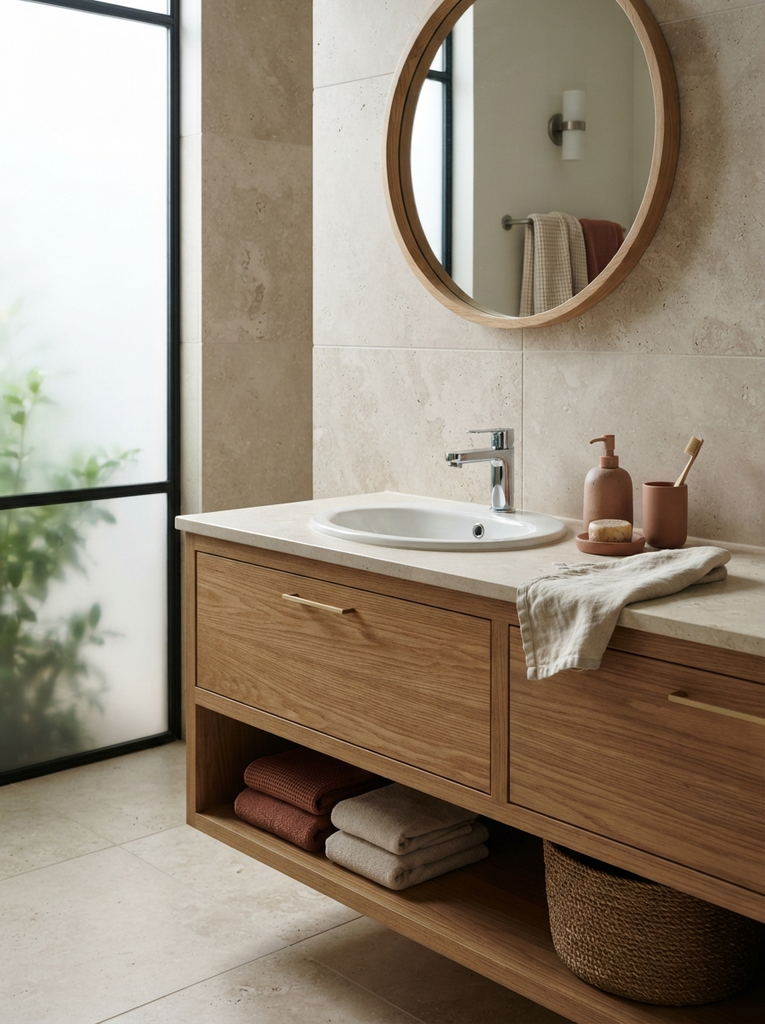
Mineral buildup can leave faucets looking dull, particularly around the base and water outlets.
For compatible faucet finishes, rub a cut lemon gently over affected areas, allow it to work briefly, and rinse thoroughly. Dry the faucet with a soft cloth afterward.
The method is simple and can make a noticeable difference in a bathroom or kitchen.
Quick tip: Avoid acidic cleaners on surfaces that can be damaged by acids, and always check the manufacturer’s recommendations.
9. Remove Soap Scum from Bathroom Surfaces

Soap scum can build up quickly around showers, tubs, and bathroom fixtures.
Start by using a cleaner appropriate for the surface and give it enough contact time to loosen the residue. A non-abrasive sponge or microfiber cloth can then help remove the buildup.
Regular light cleaning is usually easier than waiting until a thick layer develops.
Quick tip: Drying wet bathroom surfaces after use can help slow down the buildup of soap residue and water spots.
10. Clean Your Microwave with Steam in Minutes

Dried food splatters inside a microwave can be difficult to scrub when they’re completely hardened.
Place a microwave-safe bowl containing water inside and heat it until the interior becomes steamy. Let it sit for a few minutes, then carefully wipe the softened residue with a cloth.
The steam makes stuck-on food much easier to remove.
Quick tip: Add a little lemon for a fresh scent, but don’t heat the microwave without enough liquid in the container.
11. Use Baking Soda to Freshen a Smelly Sink

Kitchen sinks can develop unpleasant odors when food residue builds up around the drain.
Sprinkle some baking soda into the sink and around the drain, then scrub the surface with a damp sponge. Rinse thoroughly with water.
For persistent drain problems, don’t rely on a homemade cleaning trick alone. A clogged or fou smelling drain may need proper maintenance.
Quick tip: Wipe the sink dry after cleaning instead of leaving standing water around the drain.
12. Clean a Blender Without Scrubbing Every Blade
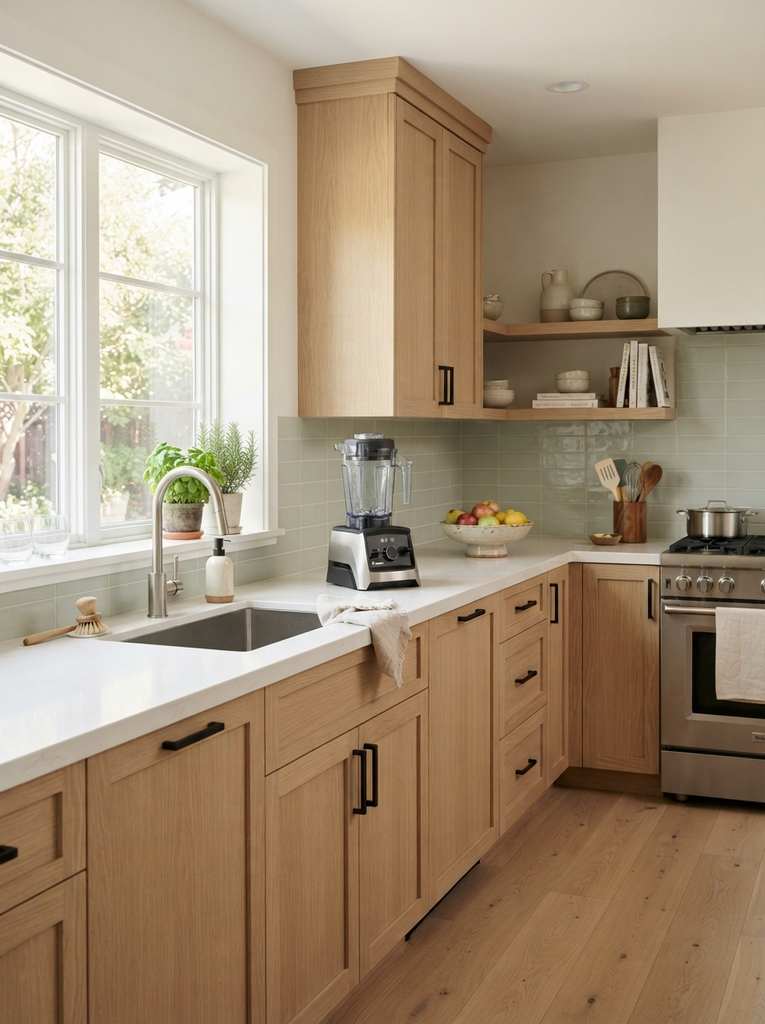
Blenders can be awkward to clean around the blades, especially immediately after making smoothies or sauces.
Add warm water and a small amount of dish soap to the blender jar, secure the lid, and use the blender’s normal cleaning cycle or briefly run it according to the manufacturer’s instructions. Then unplug the appliance and rinse thoroughly.
Always handle the blades carefully and follow the manufacturer’s cleaning directions.
Quick tip: Rinse the blender soon after use. Fresh residue is much easier to remove than dried food.
13. Remove Grease from Kitchen Cabinets Quickly

Kitchen cabinet doors near the stove can develop a sticky film from cooking oils and airborne grease.
Use a cleaner that is safe for your cabinet material and finish. Apply it to a microfiber cloth rather than soaking the cabinet, then wipe the surface gently.
For painted, wooden, or specialty finishes, always check the manufacturer’s care instructions first.
Quick tip: Pay extra attention to cabinet handles and the areas directly beside the cooking surface.
14. Make Burnt Pans Easier to Clean
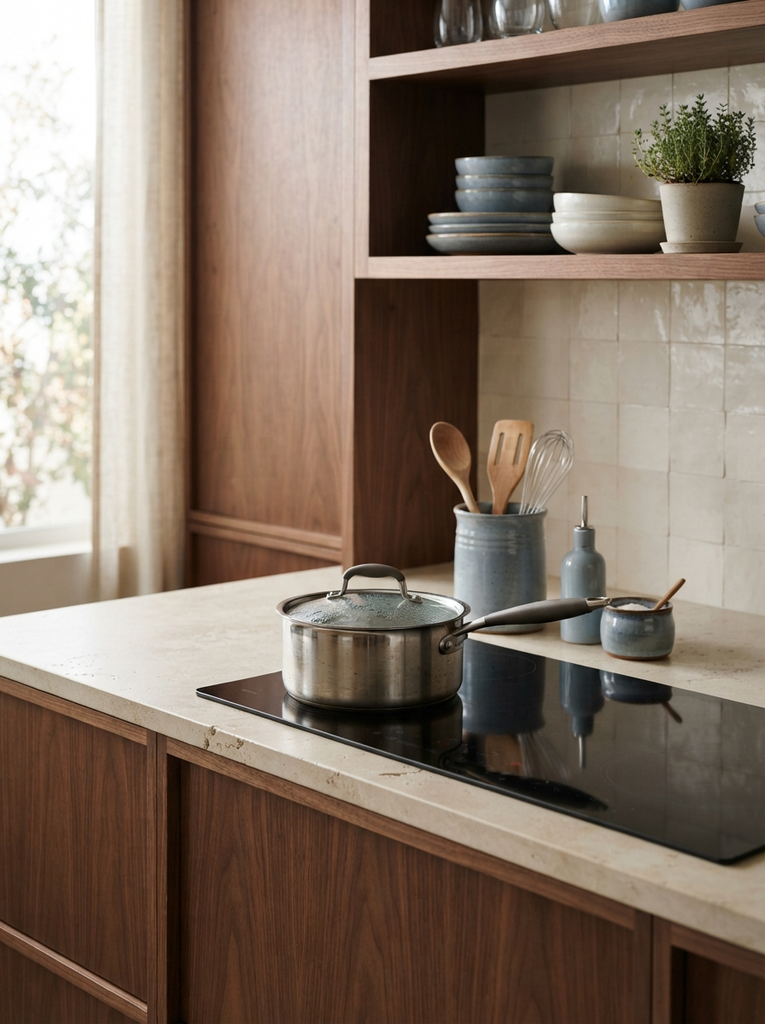
Burnt food stuck to the bottom of a pan can turn a simple cleanup into a long scrubbing session.
Instead of immediately attacking the pan with an abrasive scrubber, fill it with water and add a small amount of dish soap. Warm it gently to help loosen the residue, then allow it to cool before cleaning.
For cookware with special coatings, avoid abrasive tools that could damage the surface.
Quick tip: Don’t scrape aggressively at first. Softening the residue usually makes the cleanup much easier.
15. Use a Genius House Cleaning Hack for Hard to Reach Spots
Some areas are simply too small for a regular cleaning cloth.
An old, clean toothbrush can reach around faucet bases, grout lines, appliance seams, hinges, and other narrow areas. Pair it with a suitable surface cleaner when needed.
This is one of the simplest house cleaning hacks because it turns an everyday item into a useful detail-cleaning tool.
Quick tip: Keep a clearly designated cleaning toothbrush separate from anything used for personal care.
16. Clean Window Tracks Without Hours of Scrubbing

Window tracks can collect dust, dead insects, and small pieces of dirt that are easy to overlook.
Start by vacuuming loose debris with a narrow attachment. Use a small brush or old toothbrush to loosen dirt from the corners, then wipe the track with a damp cloth.
Cleaning the tracks regularly prevents a small job from becoming a much bigger one.
Quick tip: Use a folded microfiber cloth to reach narrow sections of the track without leaving excess water behind.
17. Use Coffee Filters to Dust Screens and Electronics

Screens can attract fingerprints and dust, but rough materials may scratch delicate surfaces.
A clean, dry coffee filter can be useful for lightly removing dust from compatible screens because it is soft and doesn’t leave much lint.
Always follow the manufacturer’s cleaning instructions and avoid spraying liquid directly onto electronic screens.
Quick tip: Turn the device off before cleaning so fingerprints and dust are easier to see.
18. Freshen Upholstered Furniture Without Deep Cleaning

Sofas and upholstered chairs can start to smell stale even when they don’t need a full deep clean.
First vacuum the upholstery thoroughly using the appropriate attachment. For washable or compatible fabrics, follow the manufacturer’s care instructions for spot cleaning or deodorizing.
Don’t assume every fabric can safely be treated with the same homemade solution.
Quick tip: Test any cleaning product on a hidden area first to check for discoloration or damage.
19. Keep Clutter from Building Up with the “One-Minute Rule”

Cleaning isn’t only about removing dirt. Keeping clutter under control can make your home look tidy with much less effort.
The one-minute rule is simple: if a task takes about a minute or less, do it immediately. Put the shoes away, return the remote to its place, hang up a jacket, or put a cup in the kitchen.
If you want to spend less time cleaning overall, these simple habits can help you clean less often while keeping your home tidy.
Small actions prevent tiny messes from turning into a large weekend cleanup.
Quick tip: Give frequently misplaced items a permanent home so putting them away becomes automatic.
20. Finish Every Room with a Quick Genius House Cleaning Hack

Once you’ve cleaned a room, take a final minute to reset it.
Straighten cushions, return objects to their usual places, close drawers, clear surfaces, and remove anything that belongs somewhere else.
This final step makes the cleaning work look more noticeable and helps your home stay organized for longer.
Quick tip: Before leaving a room, ask yourself: What is the one thing here that looks out of place? Fix that first.
House Cleaning Hacks FAQs
What are the easiest Genius house cleaning hacks for busy days?
The easiest house cleaning hacks are the ones that require little preparation, such as using a pillowcase to dust ceiling fans, a microfiber cloth for baseboards, or a quick 10-minute cleaning reset. Start with the areas that are most visible rather than trying to clean the entire house at once.
How often should I use these Genius house cleaning hacks?
It depends on the area and how quickly it gets dirty. High-use areas such as kitchens and bathrooms may need attention several times a week, while tasks such as cleaning window tracks or dusting ceiling fans can usually be done less often.
Are Genius house cleaning hacks safe for different surfaces?
Not always. A cleaning method that works on glass may damage natural stone, wood, painted surfaces, or specialty finishes. Always check the manufacturer’s care instructions and test an unfamiliar cleaner on a small, hidden area first.
Which Genius house cleaning hacks help keep a home tidy every day?
The most useful everyday habits include the 10-minute reset, the one-minute rule, putting items back immediately, wiping high-use surfaces, and dealing with small messes before they accumulate.
Can Genius house cleaning hacks replace regular deep cleaning?
No. House cleaning hacks are useful for everyday maintenance and quick problem-solving, but they don’t completely replace deeper cleaning. Tasks such as cleaning behind appliances, washing certain fabrics, and thoroughly cleaning less frequently used areas still need to be included in your regular cleaning routine.
Final Thoughts
A tidy home doesn’t require hours of cleaning every day. The right Genius house cleaning hacks can help you deal with dust, odors, pet hair, kitchen grease, bathroom buildup, and everyday clutter before they become bigger jobs.
You don’t need to use all 20 tricks at once. Pick a few that match the problems you deal with most often and turn them into simple habits. Over time, those small efforts can make keeping your home clean and comfortable feel much more manageable.