
30 Amazing Kids Bedroom Ideas for Small Rooms to Save Space
Discover 30 amazing kids bedroom ideas for small rooms. Smart storage, loft beds, and space saving layouts that keep the room fun and clutter free.
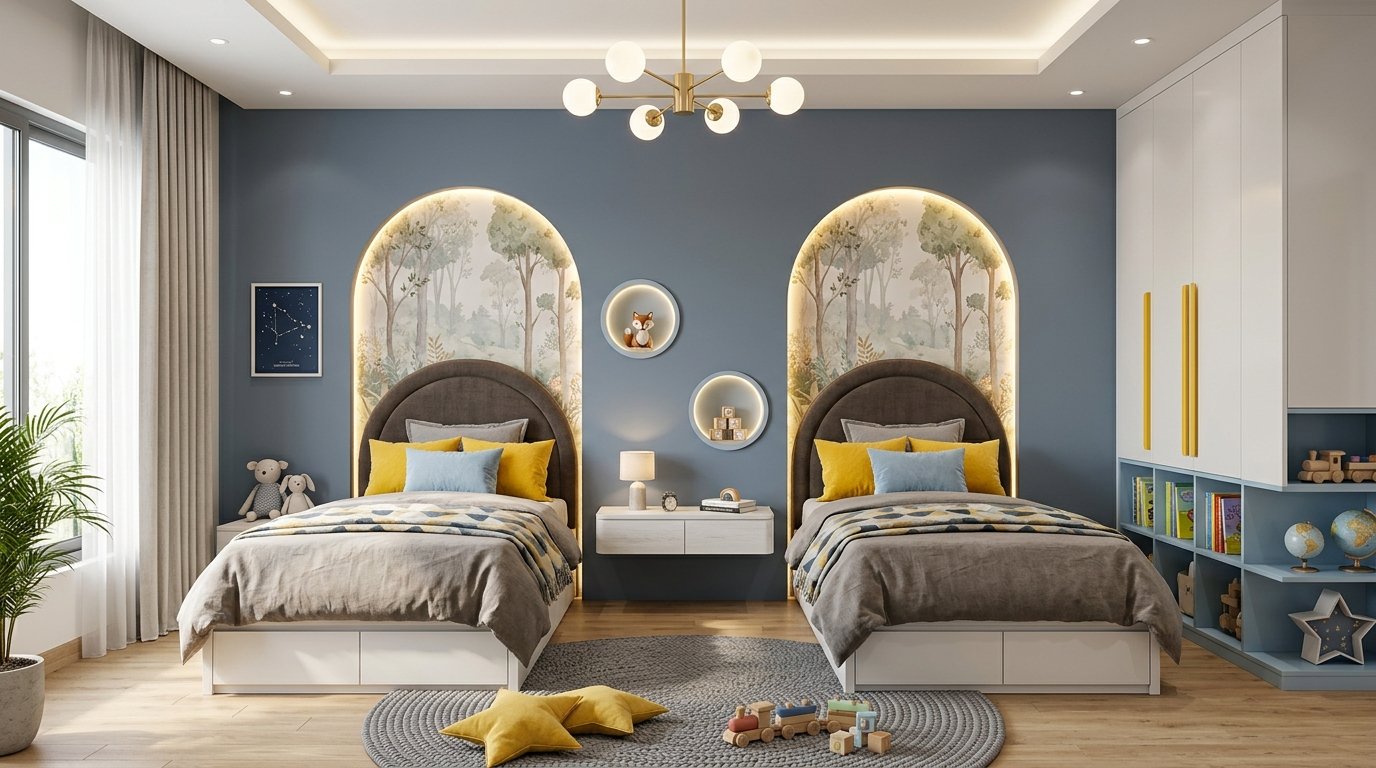
Small bedrooms are one of the biggest challenges for parents. Kids need a place to sleep, study, play, and store a surprising amount of stuff, and all of it has to fit into a room that can feel no bigger than a closet. The good news is that the best kids bedroom ideas for small rooms don’t depend on extra square footage. They depend on smarter choices: furniture that works twice as hard, storage that hides in plain sight, and layouts that keep the floor open for play.
In this guide, you’ll find 30 practical ideas that save space without making the room feel cramped or boring. Whether you’re decorating for a toddler, a school-age child, or two siblings sharing one room, you can adapt these ideas to your budget and your layout.
1. Use a Loft Bed to Free Up Floor Space
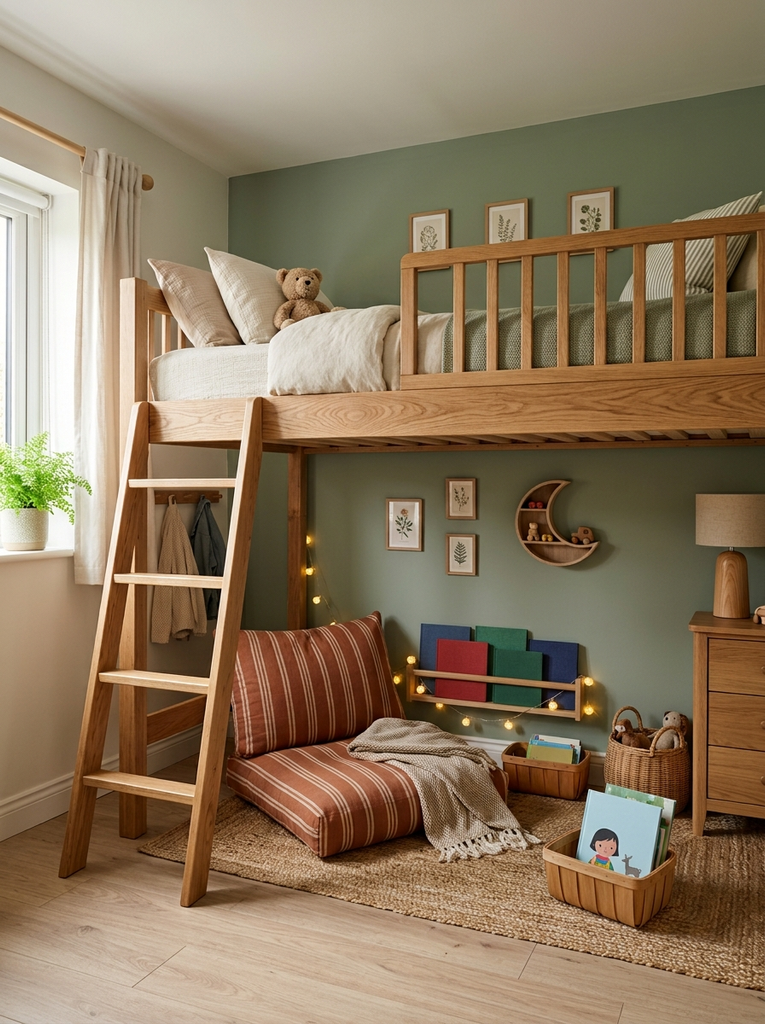
A loft bed lifts the sleeping area off the floor and gives you a whole extra zone underneath. That space can hold a desk, a reading corner, a play area, or a wardrobe. It is one of the most effective ways to gain usable square footage in a small room. Make sure the ceiling is high enough, choose a model with sturdy guardrails, and consider a loft bed only for children old enough to climb safely.
2. Choose a Bunk Bed for Shared Rooms
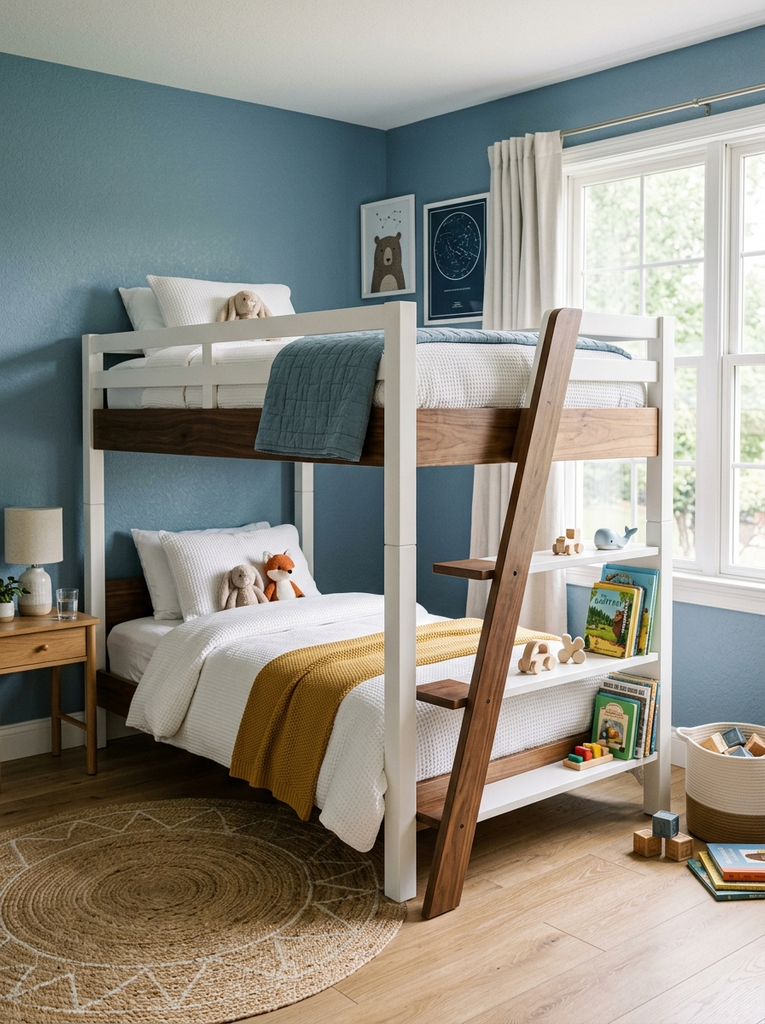
When two kids share a small room, bunk beds are the classic answer. Stacking the beds frees up half the floor, which can become a play area or a shared dresser zone. Look for bunk beds with built-in ladders that double as shelves, or models with drawers in the steps. A bunk bed also gives each child a bit of personal territory, which helps siblings share a room more peacefully.
3. Try a Bed With Built In Storage
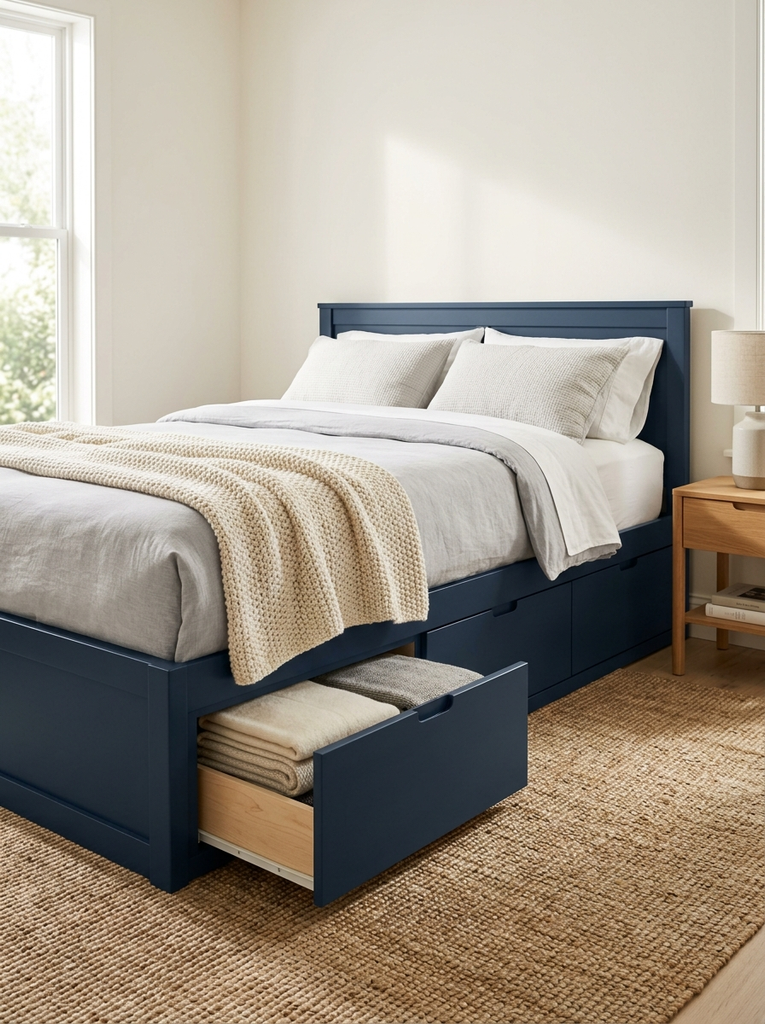
A bed with drawers underneath, or a lift up platform, replaces a bulky dresser entirely. Store out of season clothes, extra bedding, or toys in the drawers and keep the surrounding floor clear. For a small room, a storage bed is often the single most useful purchase, because it adds capacity without adding another piece of furniture. Pick drawers on smooth runners that little hands can open easily.
4. Add Under Bed Storage Bins
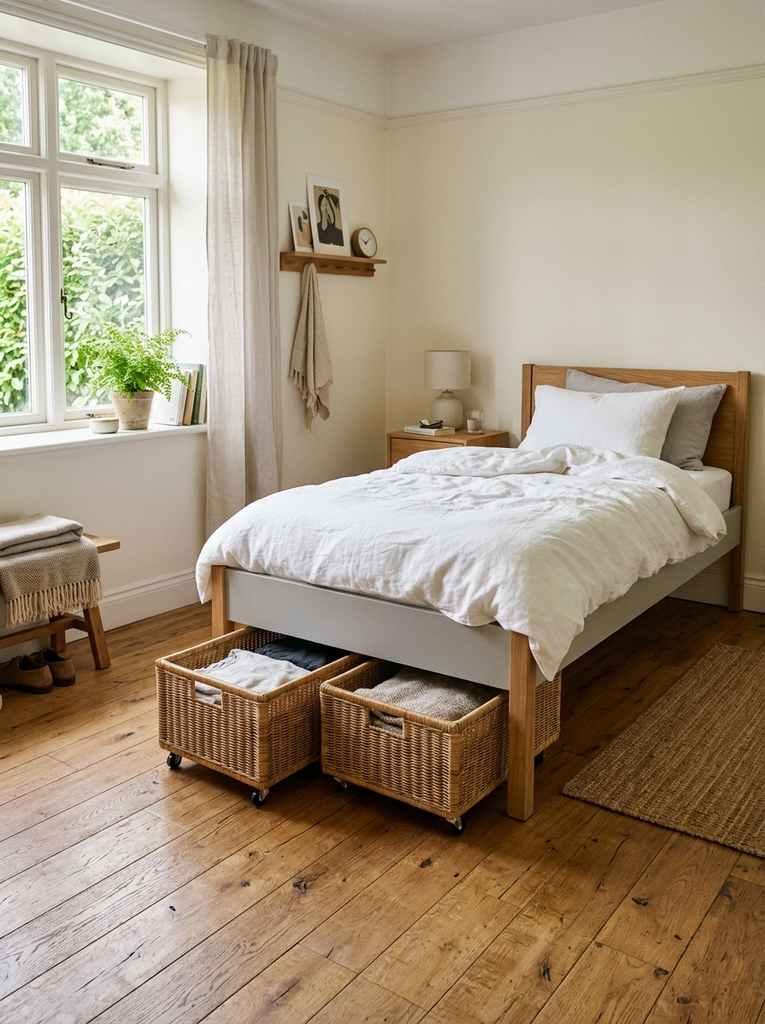
If you don’t want to buy a new bed, shallow rolling bins slide under most standard frames and instantly create hidden storage. Use them for shoes, board games, art supplies, or stuffed animals. Choose bins with wheels so kids can pull them out themselves, and label the fronts with words or pictures so everyone knows where things belong. This is an inexpensive fix that works in nearly any room.
5. Use a Corner Bed Layout
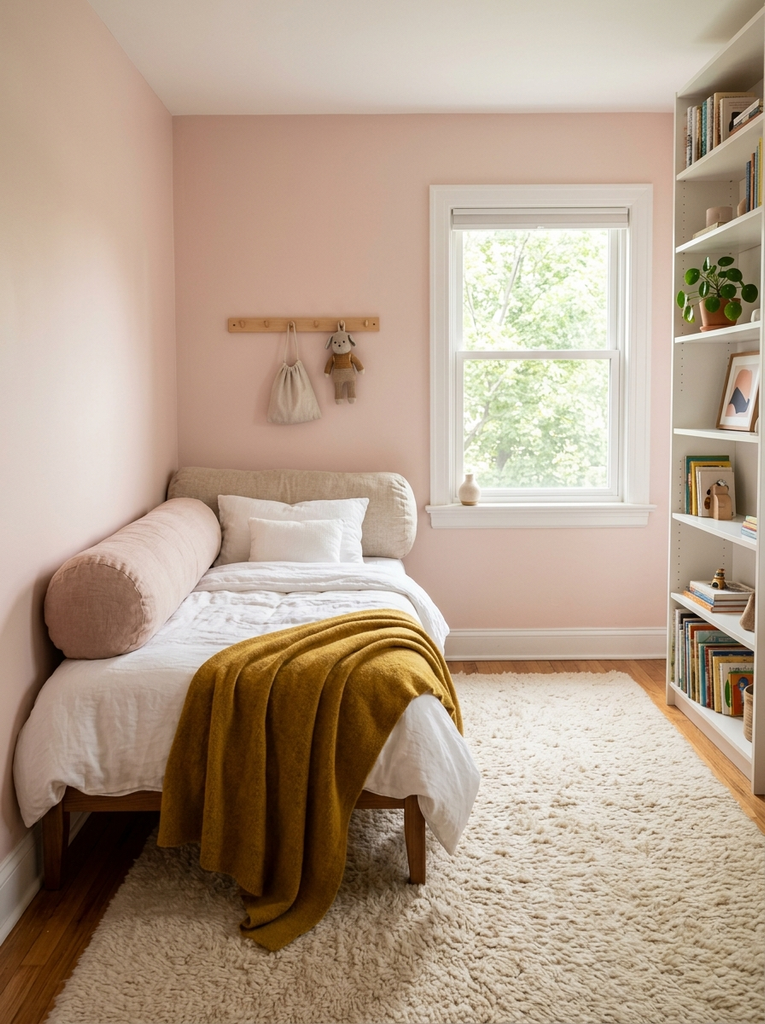
Pushing the bed into a corner, with one side along each wall, opens up the center of the room. It also creates a cozy, nook-like feeling that many children love. Add a few pillows against the walls to turn the bed into a couch-style seat during the day. This layout works especially well in narrow rooms where a bed in the middle would block the walkway.
6. Create a Small Desk Under a Loft Bed
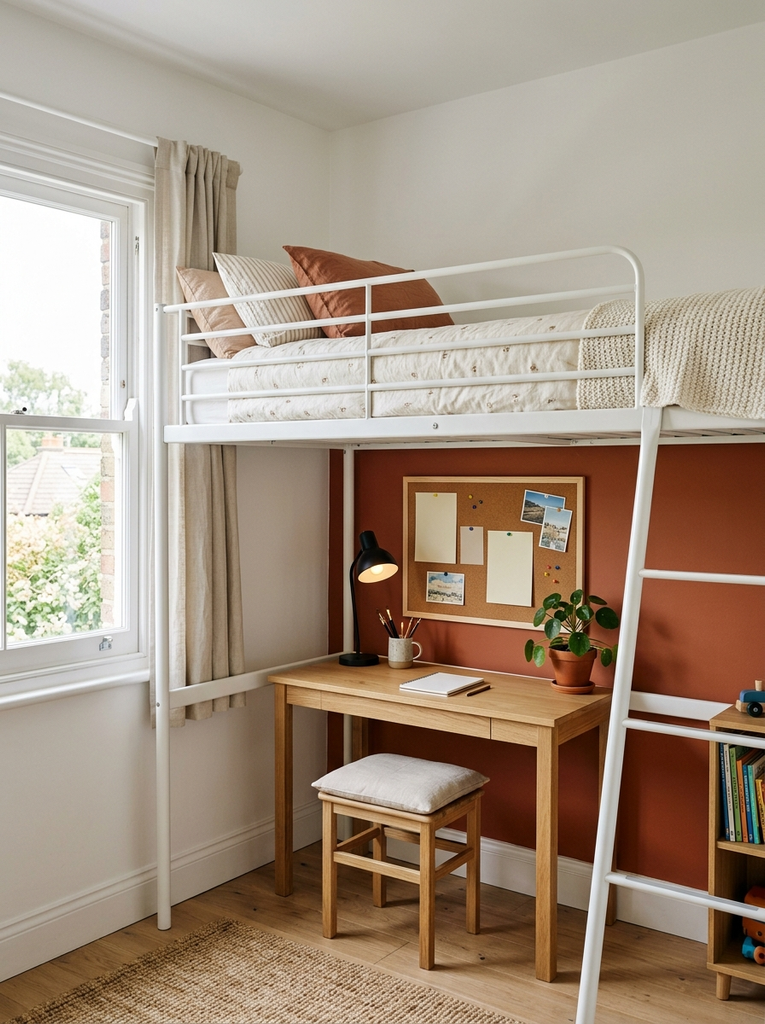
Pairing a loft bed with a built-in desk below gives older kids a dedicated study spot without taking over the floor. Add a small lamp, a pinboard, and a few shelves, and the area feels like a private workspace. Because the desk sits under the bed, the rest of the room stays open for play. Good lighting matters here, since the space under a bed can feel dim.
7. Install Floating Shelves for Vertical Storage
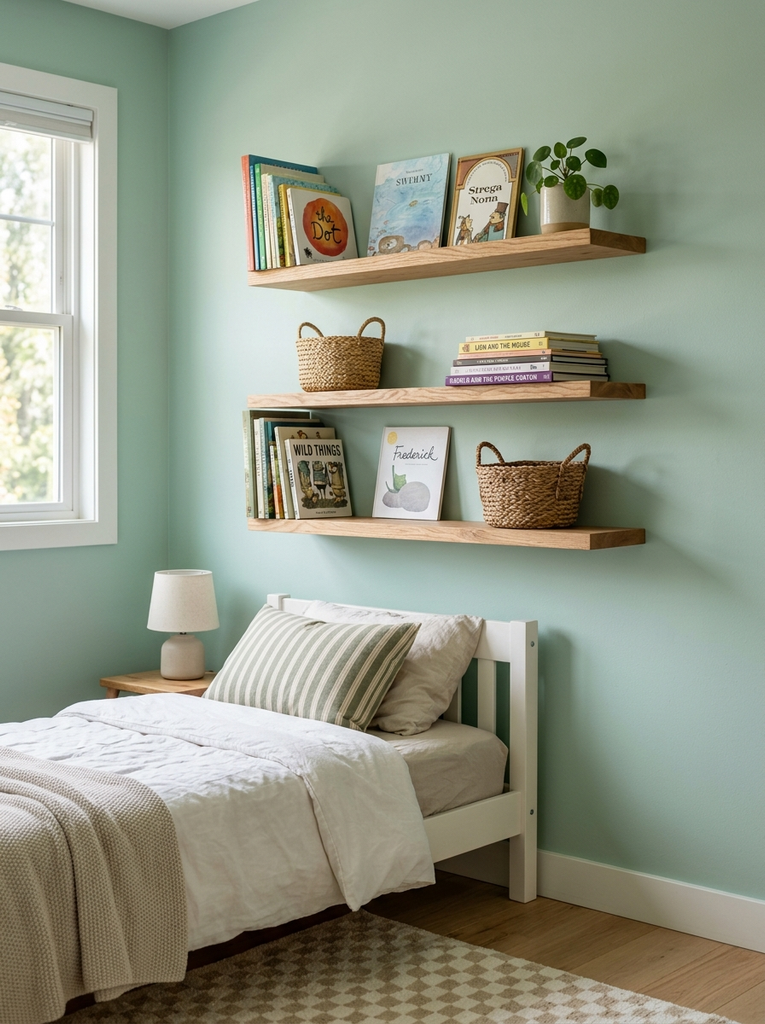
Floating shelves use wall space that would otherwise go to waste. Place a few above the desk, beside the bed, or across a blank wall to hold books, trophies, baskets, and small decor pieces. Keep the lowest shelf within reach so kids can grab their own books, and place heavier items on lower shelves. Shelves also make a room look more finished and personal.
8. Use the Wall Above the Bed
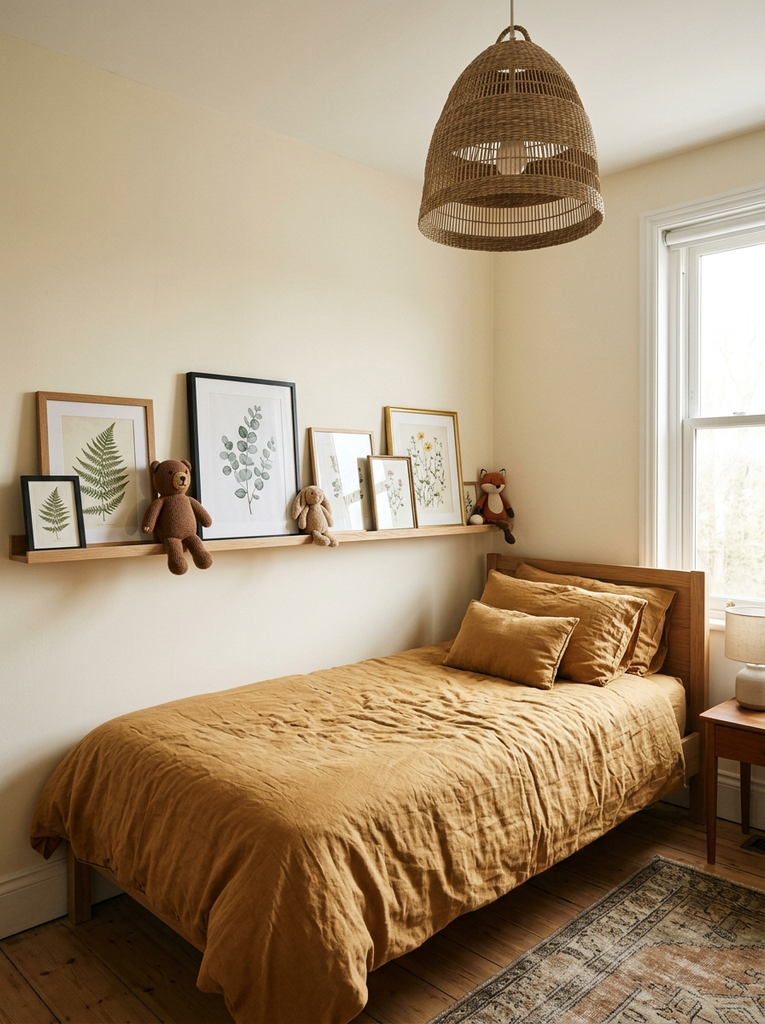
The wall above the headboard is prime real estate that most people ignore. Install a long shelf or a row of picture ledges to display books, favorite toys, and framed art. Avoid heavy items directly above a sleeping child, and use lightweight, secured pieces instead. This simple trick adds storage and personality without taking up any floor area at all.
9. Add a Compact Pegboard Organizer
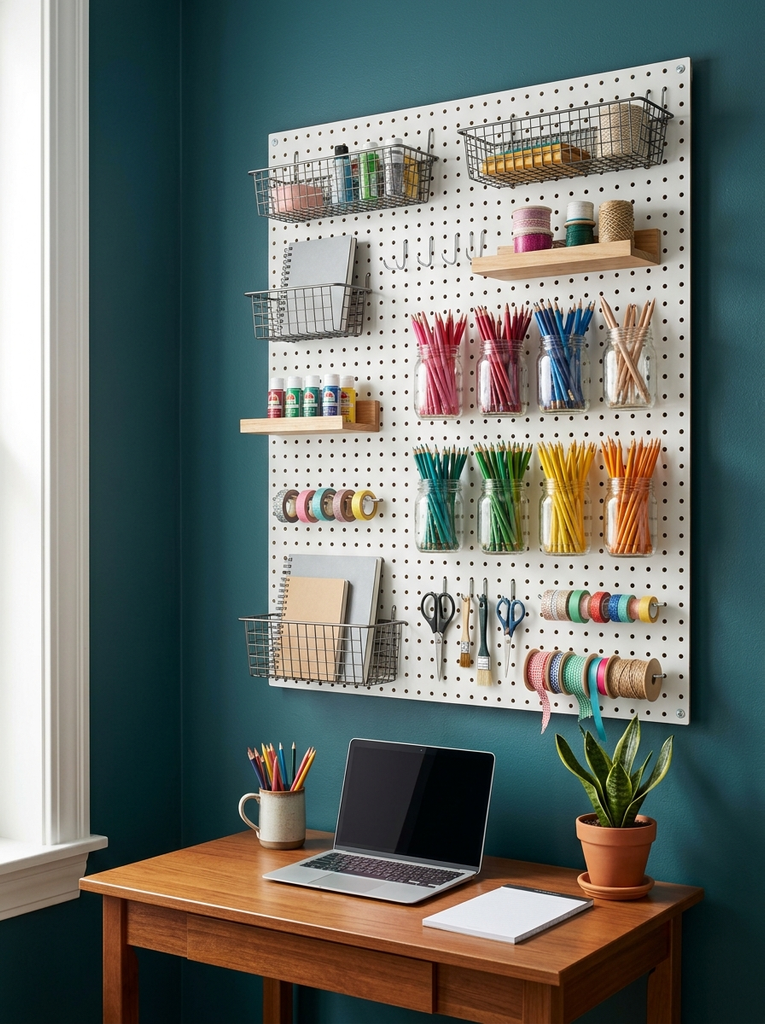
A pegboard is endlessly flexible. Hang baskets, small shelves, hooks, and containers, then rearrange them as your child grows. It works as a craft station, a desk organizer, or a spot for backpacks and accessories. Paint the board in a bright color to turn it into a decorative feature. Because everything hangs on the wall, the floor and desktop stay free for the things kids actually use.
10. Choose a Tall, Narrow Bookcase
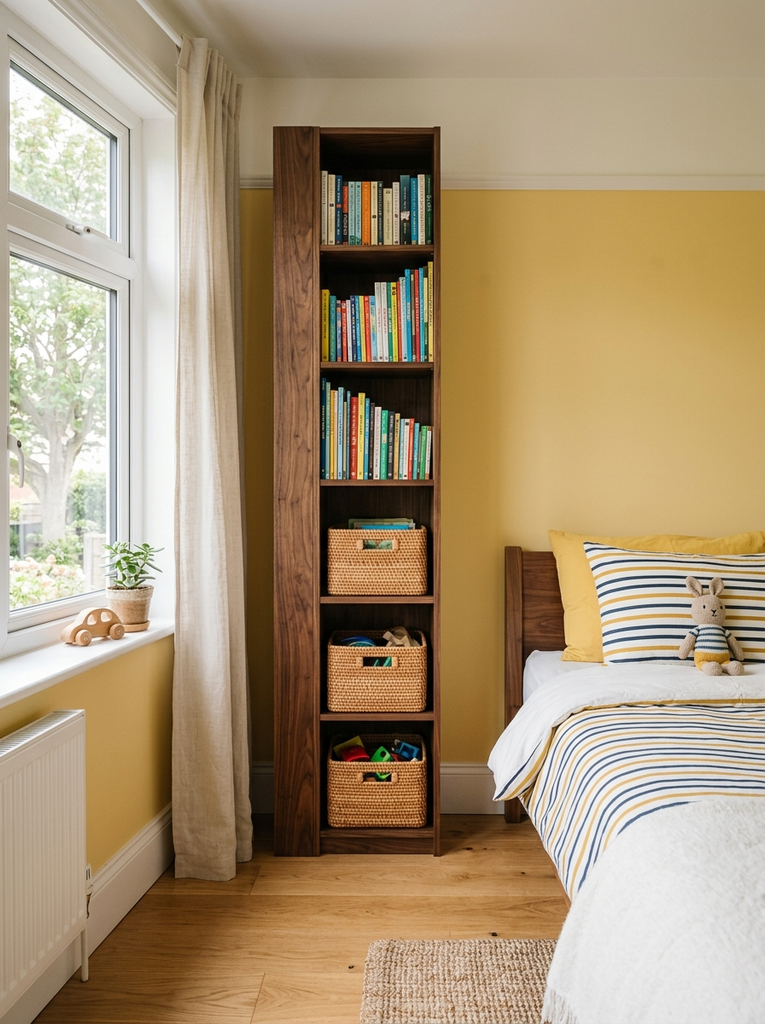
Instead of a wide, low bookshelf that eats floor space, pick a tall, narrow one. It holds just as much but stands in a smaller footprint. Anchor it securely to the wall for safety, and use the lower shelves for bins and the upper shelves for books and keepsakes. A narrow bookcase also fits neatly beside a bed, in a corner, or between a window and a wall.
Shop This Look

IDEALHOUSE Twin Daybed with Trundle, Metal Trundle Bed, White | Sofa Bed Frame, Heavy Duty Metal Slats, 6 Universal Wheels, Space Saving, for Living Room,…
142,99 $
Shop Now
Stuffed Animal Hammock 2 Pack | Corner Stuffed Animal Storage & Plushie Net | Toy Hammock for Stuffed Animals | Holds 12lbs | Easy Hang, All Hardware Included | White Bedroom Decor | by Lilly’s Love
-10% $13.49
Shop Now
As an Amazon Associate, we earn from qualifying purchases.
11. Use a Storage Bench at the Foot of the Bed
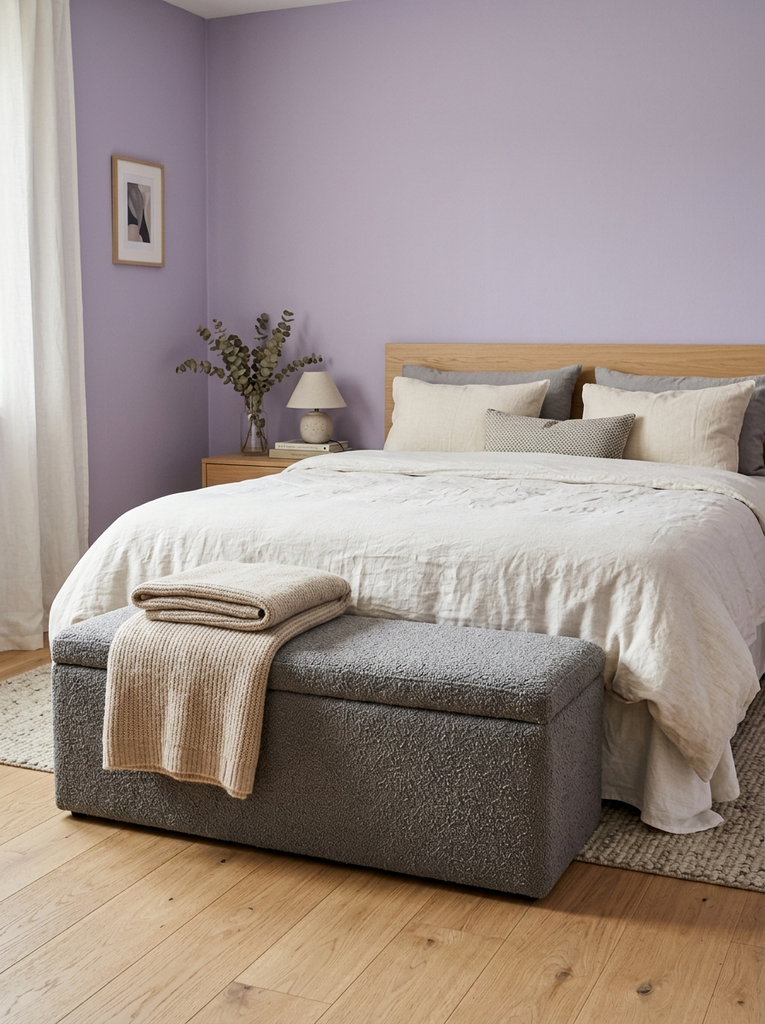
A storage bench gives you seating and hidden storage in one piece. Use it for blankets, pillows, dress-up clothes, or toys, and it becomes a handy spot for putting on shoes in the morning. Choose a bench that fits the width of the bed so the layout looks balanced. Soft-close lids are worth the extra cost, because they protect little fingers.
12. Add Hooks Behind the Bedroom Door
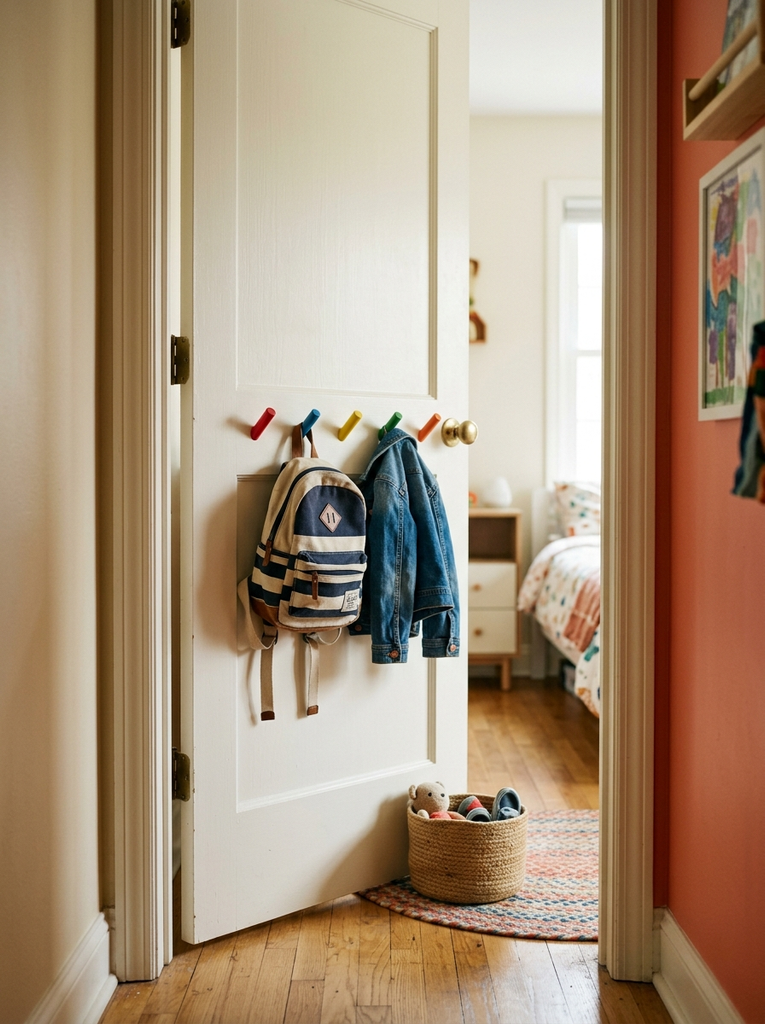
The back of the door is a forgotten storage spot. A few sturdy hooks or an over the door rack can hold jackets, backpacks, towels, and pajamas. Install the hooks at a height your child can reach so they can hang things up independently. If you want more variety, a hanging organizer with pockets can hold shoes, hair accessories, or small toys without using any floor or wall space.
13. Create a Small Reading Nook
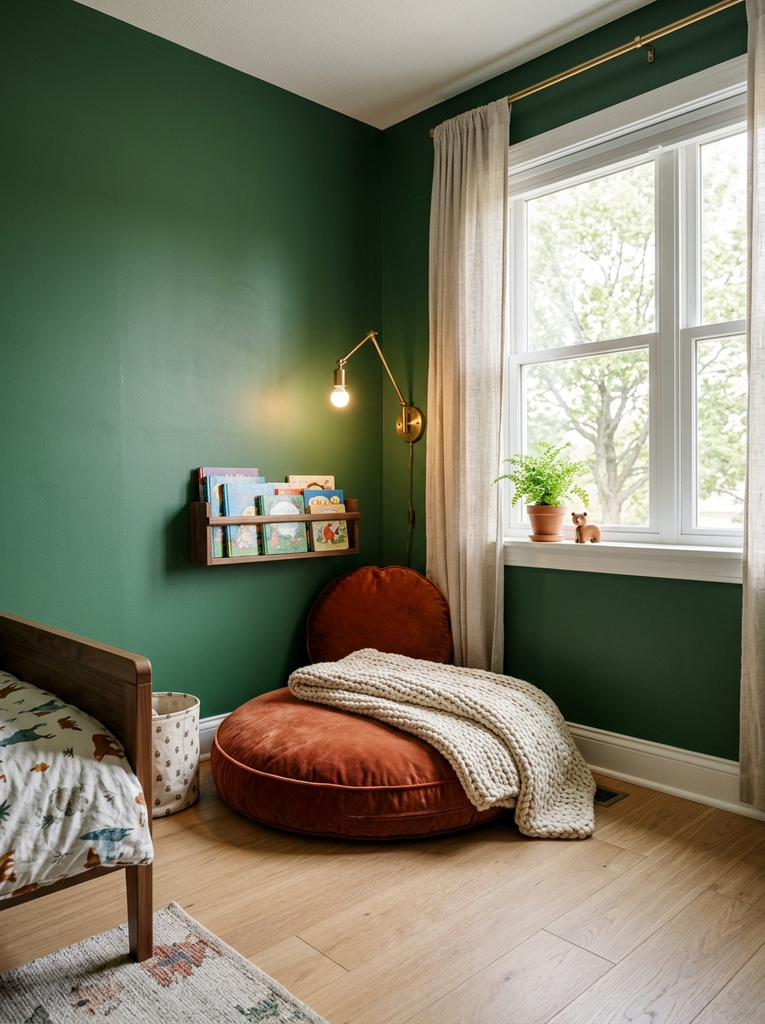
A reading nook doesn’t need much room. A floor cushion, a small shelf, and a wall mounted light can turn a corner into a calm retreat. Tuck it beside the window for natural light, or under a loft bed for a hideaway feel. Kids who have a special spot for books are more likely to read, and a nook gives a small room a charming focal point.
14. Use a Window Seat With Hidden Storage
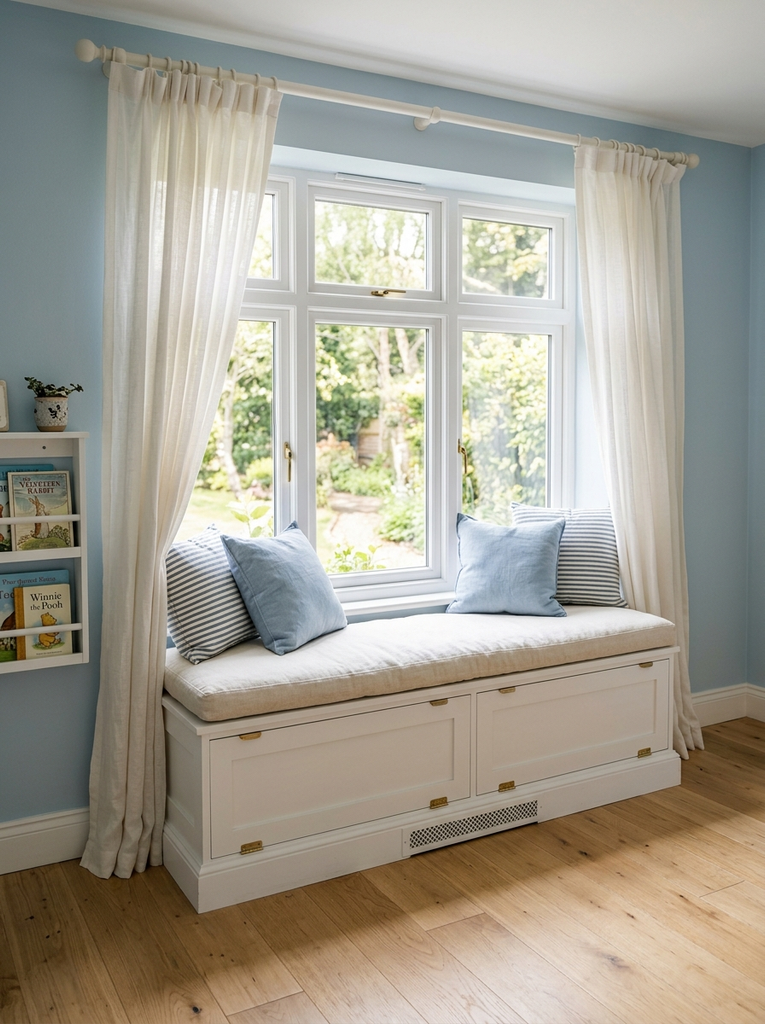
A built in window seat turns an ordinary window into a seating area, a play spot, and a storage unit. Lift-up lids or drawers hold toys, books, or off season clothes. Add a cushion and a few pillows for comfort. If a custom build isn’t possible, a slim storage bench placed under the window can create a similar effect for much less money.
15. Choose a Daybed With Drawers
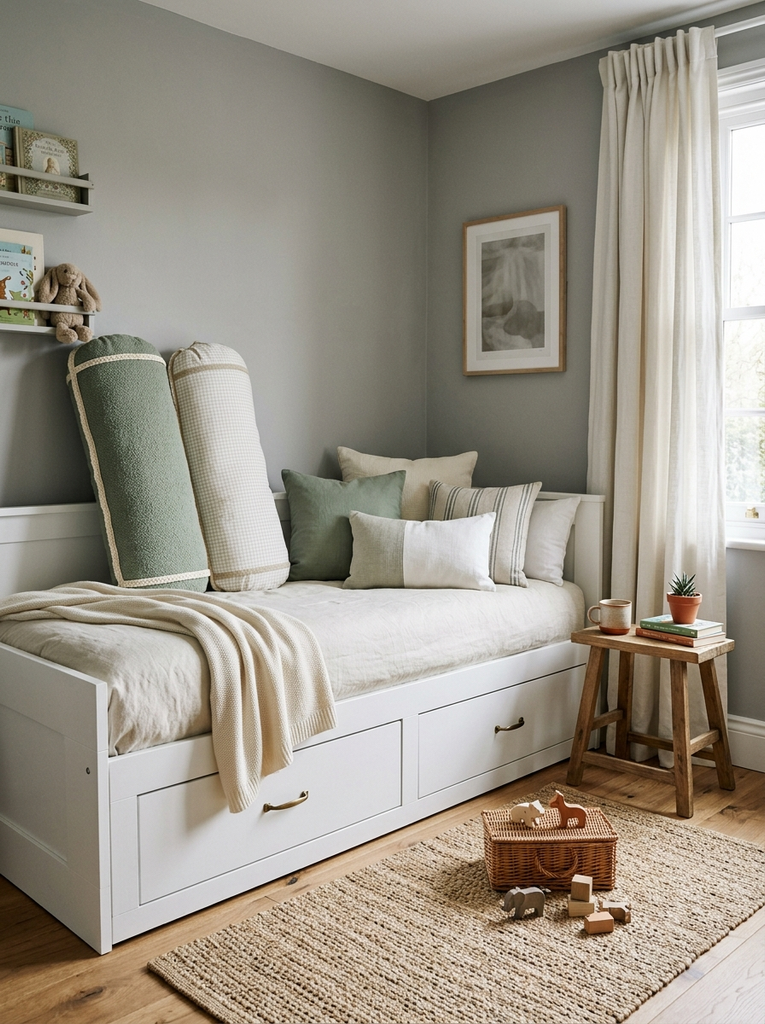
A daybed works as a bed at night and a sofa during the day, which is perfect when the room also serves as a play area. Models with drawers underneath add storage, and many fit a standard twin mattress. Place the daybed along the longest wall, add bolster pillows, and the room instantly feels like a lounge. It is a smart pick for guest friendly kids rooms.
16. Use a Trundle Bed for Extra Sleeping Space
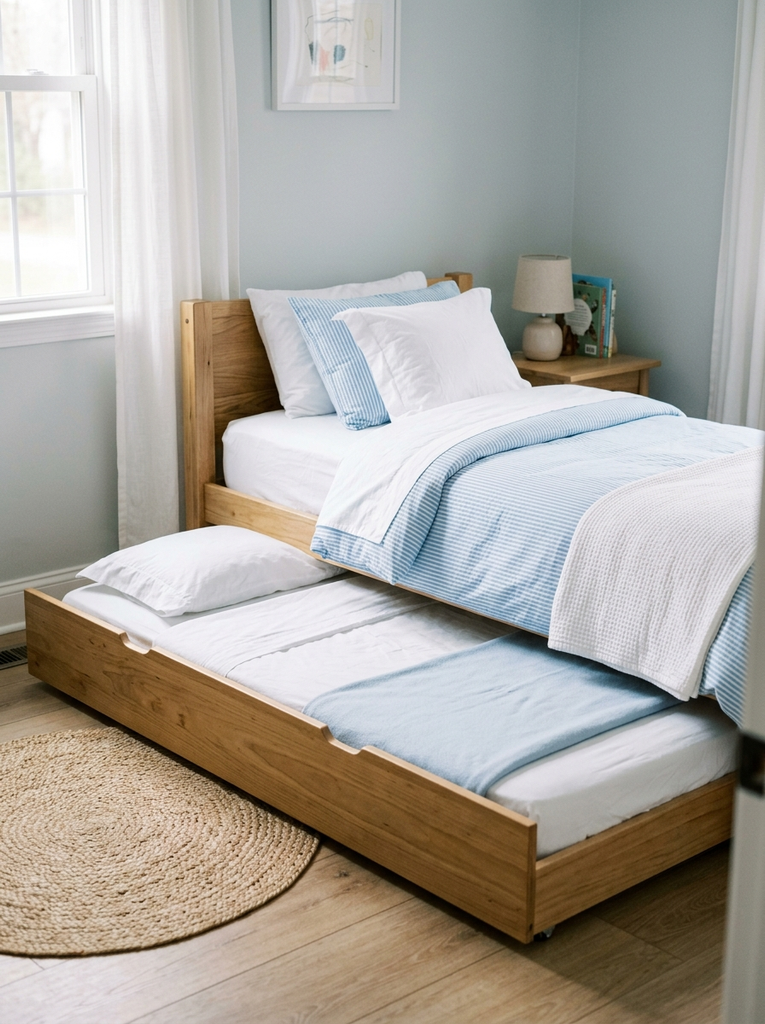
A trundle bed hides a second mattress under the main bed. It’s ideal for sleepovers, siblings, or visiting cousins, and it disappears when not in use. You get two sleeping spots in the footprint of one, with no need for a spare mattress stored elsewhere. Look for a trundle that rolls smoothly and sits low enough to push in easily, even with a thick rug nearby.
17. Create a Shared Study and Storage Wall
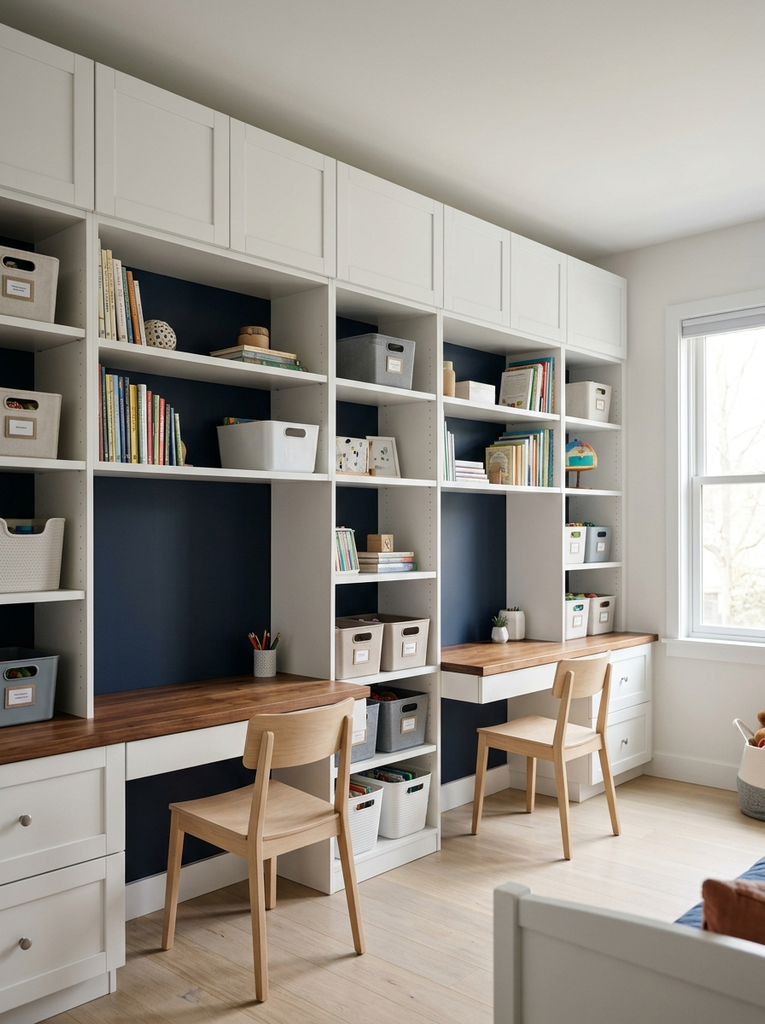
When one wall carries a desk, shelves, and cabinets together, the rest of the room stays free. Build or buy modular units that combine a work surface with open shelves and closed storage. This concentrates all the “busy” items in one place and keeps the rest of the room calm. It also works well for siblings, with each child getting a clearly defined section of the wall.
18. Use Baskets to Organize Toys
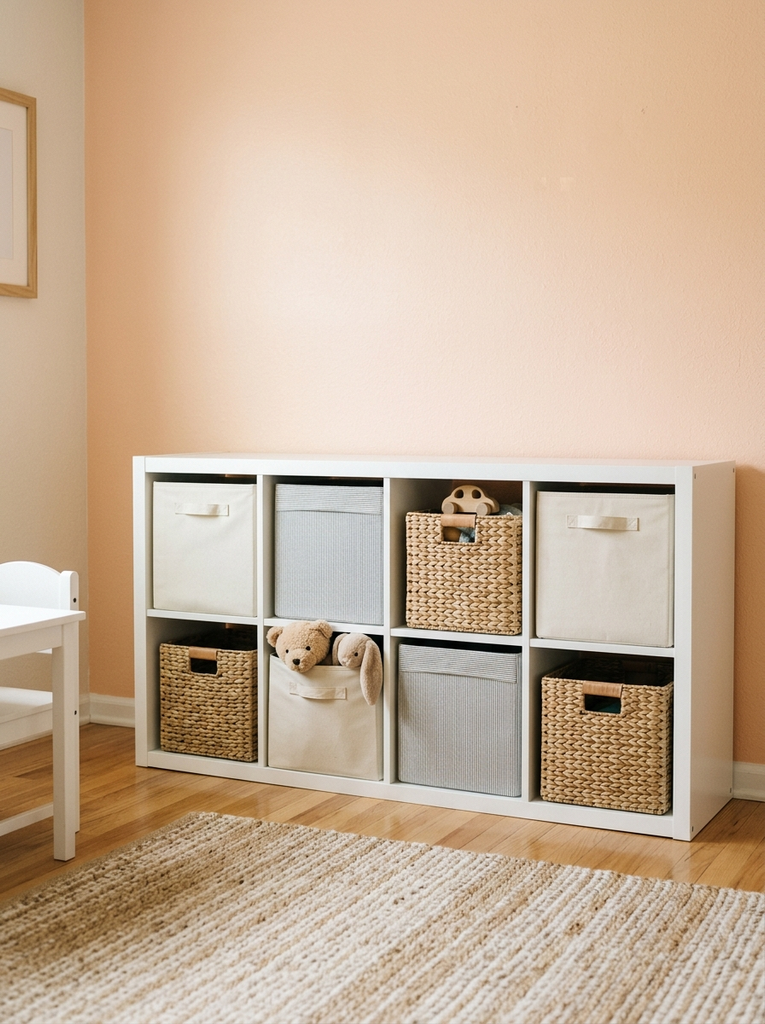
Baskets are the simplest toy storage you can find. Place a few on low shelves or in a cube organizer, and kids can toss toys in at cleanup time. Choose fabric or woven baskets in matching tones so the room still looks tidy. Group toys by category, such as blocks, dolls, or cars, and add labels. For more ideas on keeping every room tidy, see our guide to bedroom storage ideas.
19. Add Wall Mounted Toy Storage
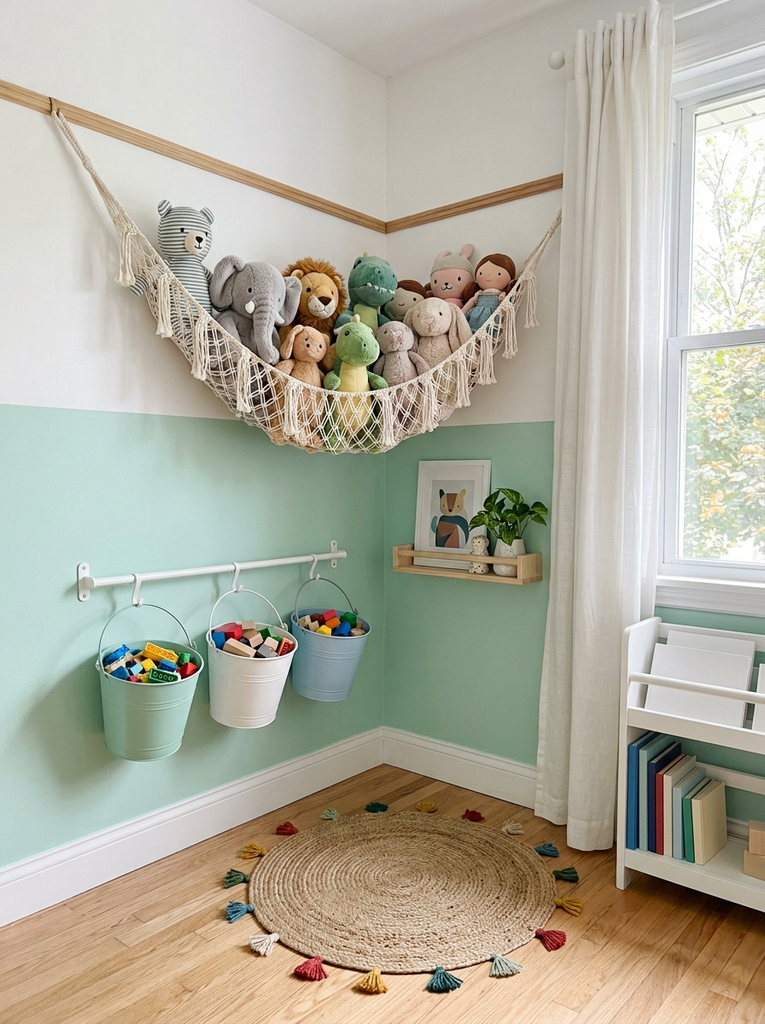
Wall mounted bins, hanging nets, and rail systems lift toys off the floor. A hammock style net in a corner can hold a mountain of stuffed animals. Rail and bucket systems let you hang small containers for building blocks or art supplies. Since everything stays on the wall, the floor remains available for play. Choose items that are easy for children to reach so cleanup becomes part of their routine. If you want more ways to keep toys under control, these storage solutions to eliminate kids’ clutter from Better Homes & Gardens are worth a look.
20. Use a Small Dresser Instead of a Bulky Chest
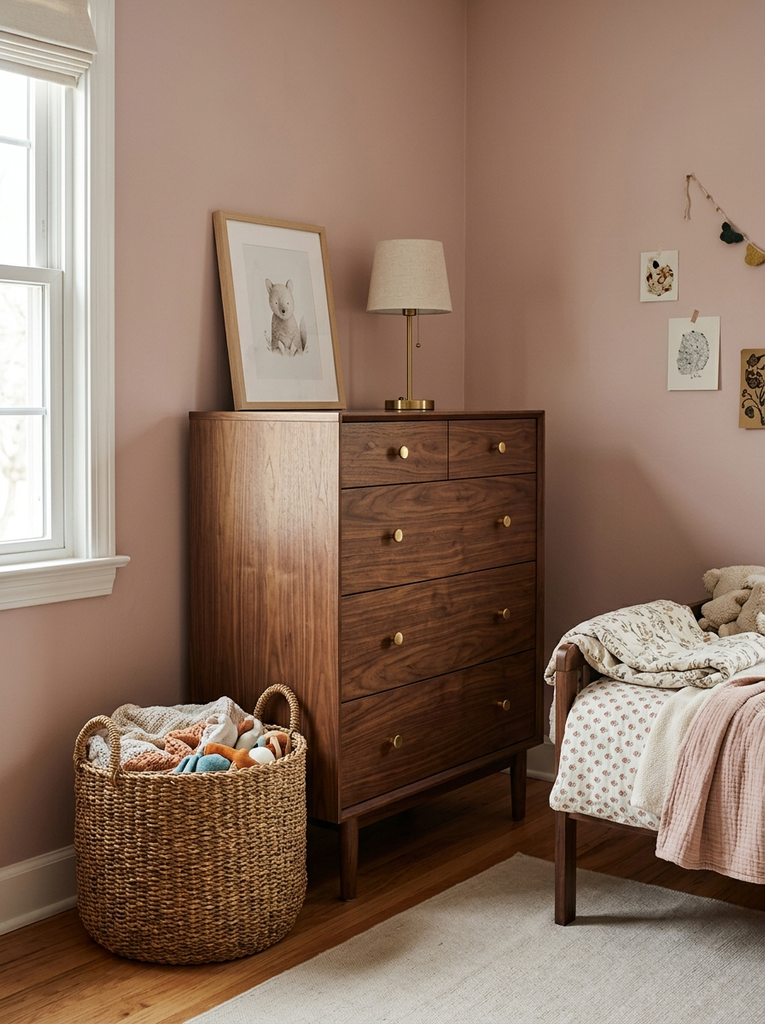
Large, deep chests can swallow a small room. A compact dresser with a narrower footprint, or a tall, slim chest of drawers, offers storage without crowding the floor. Look for models with deep drawers so you can fit more in a smaller frame. If you need more capacity, place the dresser inside the closet, where it takes no visible space in the room.
21. Make Use of Awkward Corners
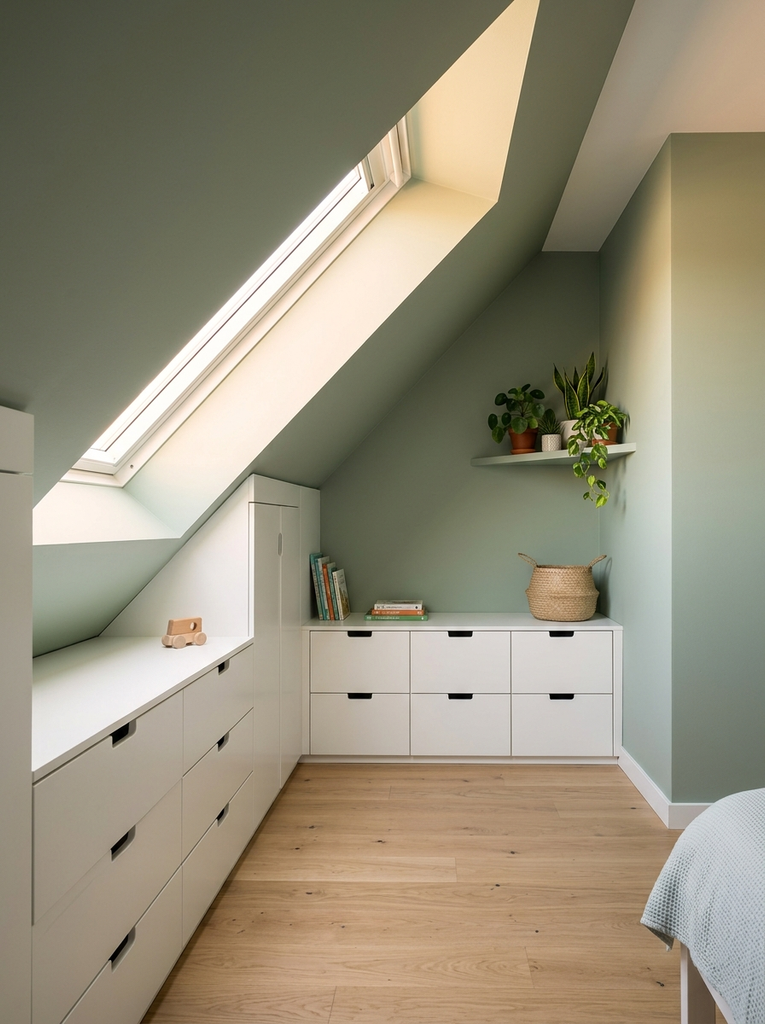
Corners, alcoves, and spaces under sloped ceilings often go unused. Fit a corner shelf, a triangular bookcase, or a small tent style play nook into them. Under a sloped ceiling, low cabinets or built in drawers use space that standard furniture can’t. By treating awkward corners as opportunities, you gain extra storage and make the room feel intentionally designed rather than crammed.
22. Add Closet Storage Above the Hanging Rail
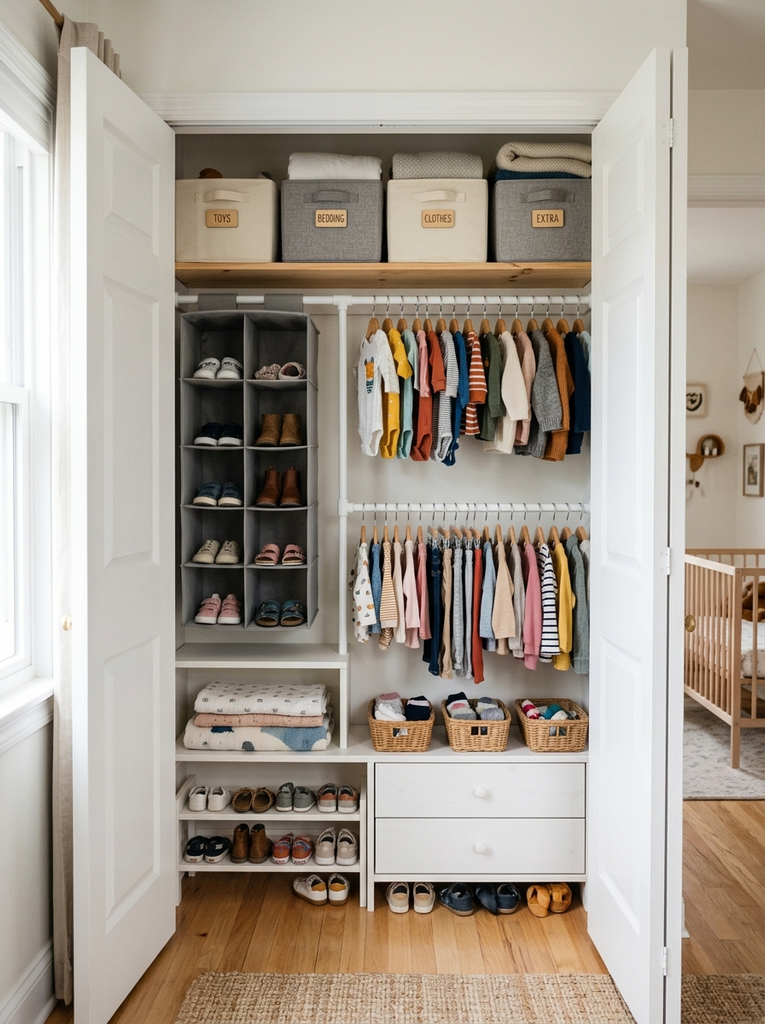
Most kids closets waste the space above the hanging rod. Add a high shelf for bedding and off-season items, and use a double rod system so that smaller clothes hang on two levels. Hanging organizers with cubbies can hold shoes, socks, and accessories. A well organized closet reduces the need for extra furniture in the room, which is especially valuable when floor space is limited.
23. Use Double Duty Furniture
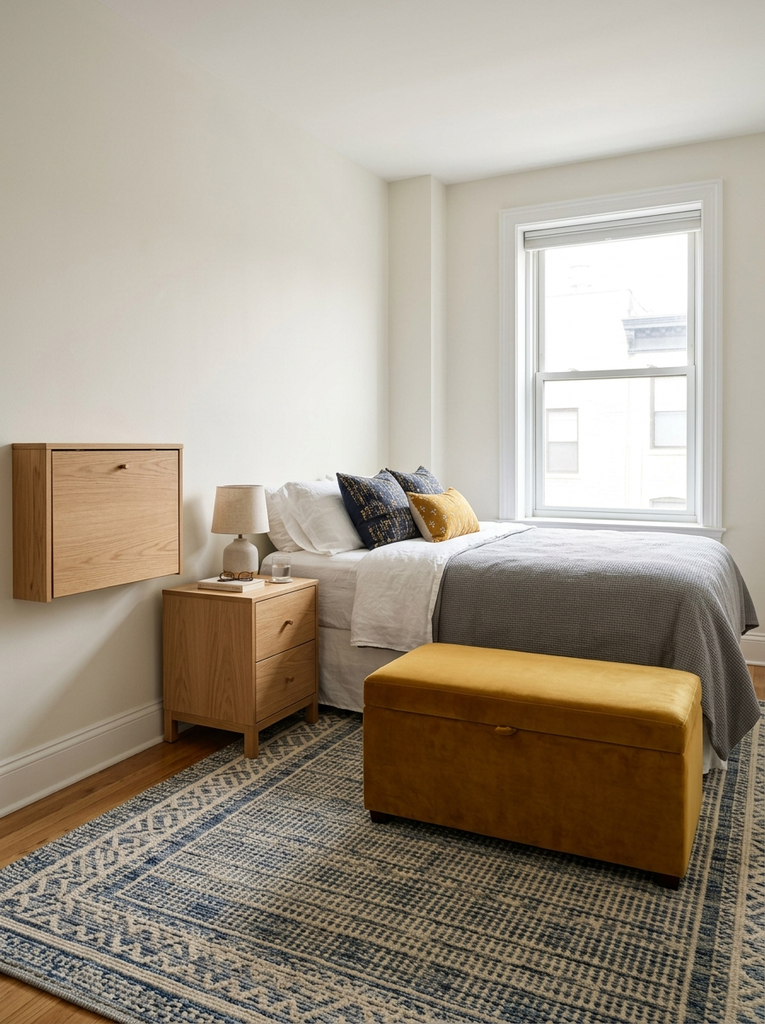
Every piece in a small room should do more than one job. A desk with built in shelves, an ottoman with a storage compartment, or a nightstand with drawers all pull double duty. A fold down table can serve as a craft surface and then disappear. When you shop, ask yourself whether each piece offers storage, extra seating, or flexible use. The answer should almost always be yes.
24. Keep the Color Palette Light and Airy
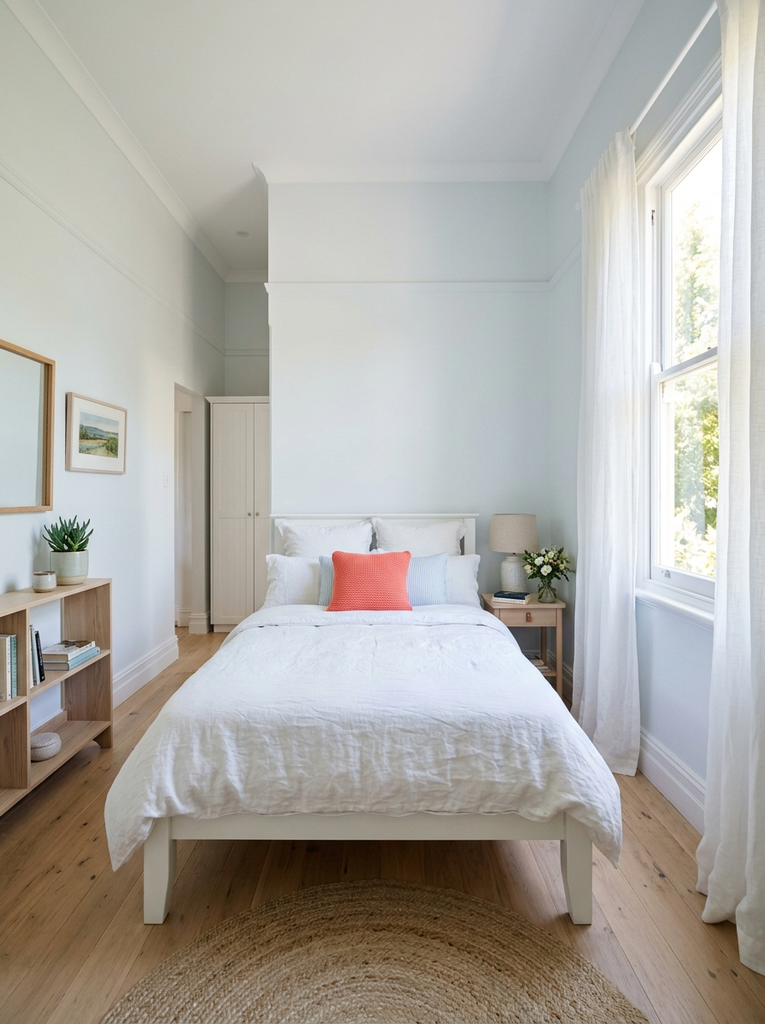
Light colors reflect more light and make walls feel farther away. Soft whites, pale blues, gentle greens, and warm neutrals create a calm backdrop, and bright accents in bedding or art add fun. Use paint on one wall for a playful feature if you like, but keep the others pale. For inspiration on how color and style shape a space, explore this decor resource.
25. Use Mirrors to Make the Room Feel Larger
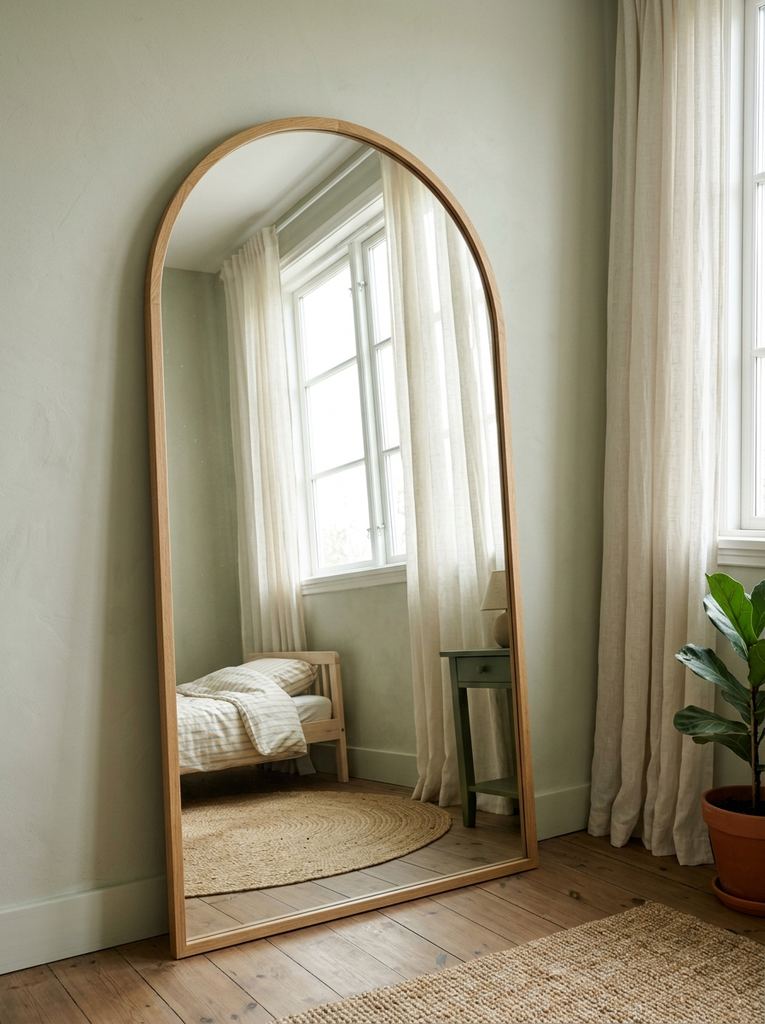
A mirror bounces light around the room and creates the illusion of extra depth. Place a large, secure mirror opposite a window or on the back of the closet door. Choose shatter resistant or framed options for safety, and mount them firmly to the wall. A mirror also doubles as practical decor, helping kids get dressed and adding a stylish touch without taking up valuable floor space.
26. Create a Simple Kids Bedroom Zone
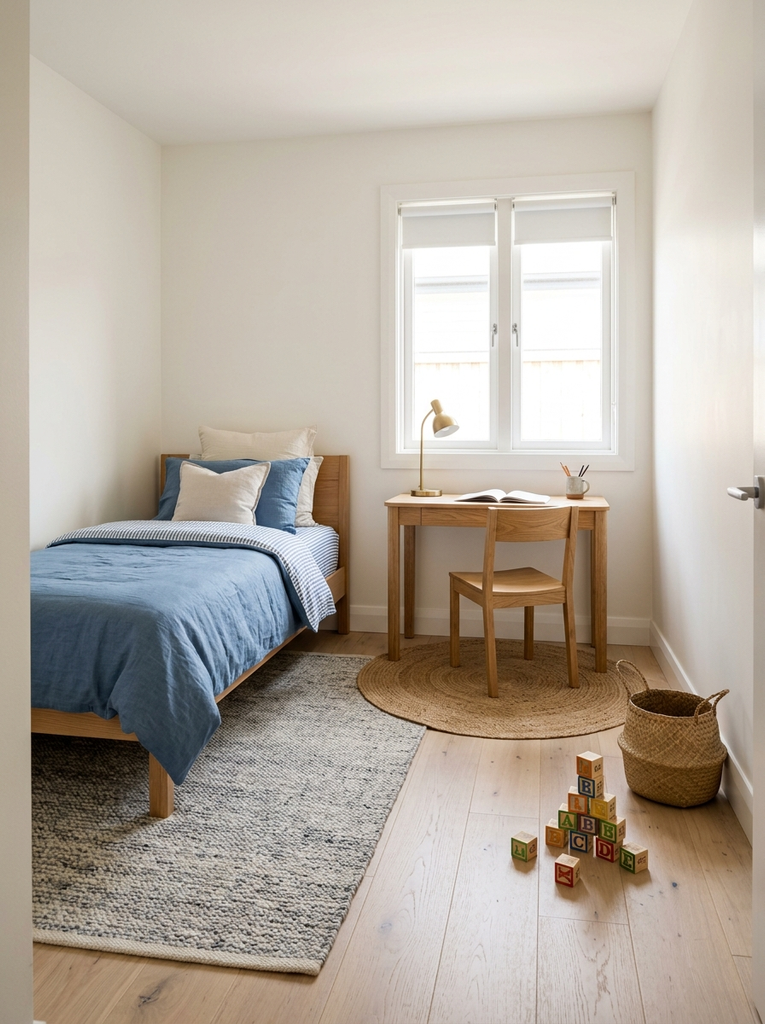
Dividing the room into zones, such as sleep, study, and play, keeps things organized even in a small area. Use rugs, shelves, or paint to mark each zone gently. Keep the sleeping zone calm, put the study area near the window, and reserve an open patch of floor for play. Zones help children understand where activities belong, which makes tidying up much easier.
27. Use Vertical Space in a Very Small Room
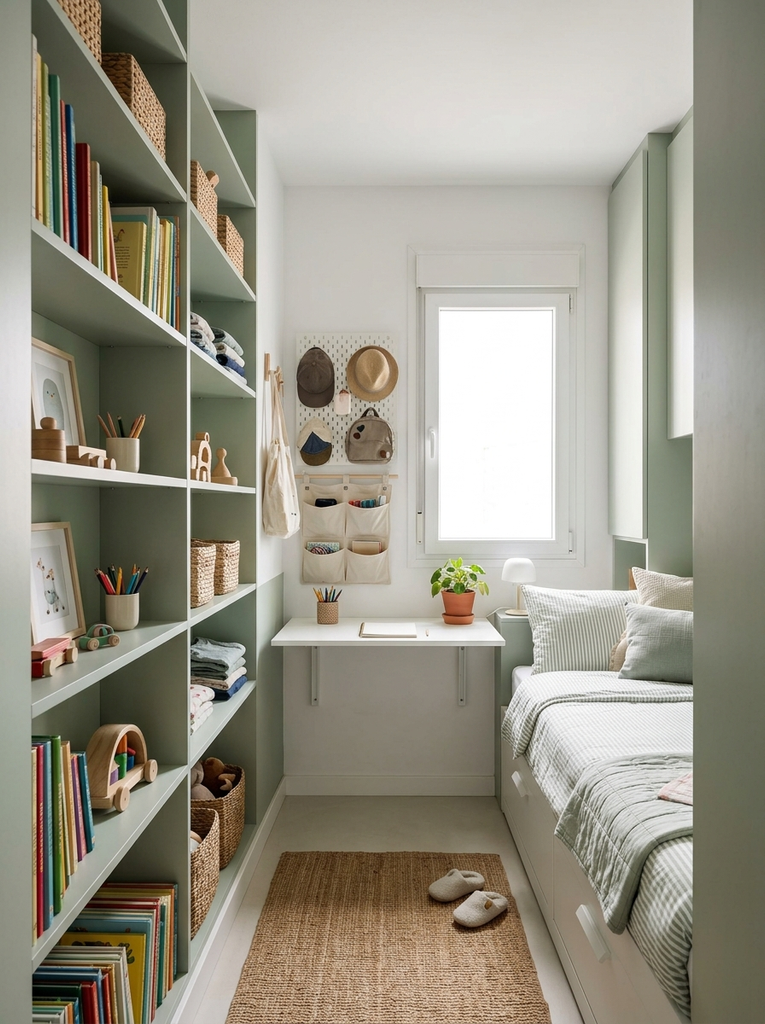
When floor space is extremely limited, think up. Tall shelves, wall mounted desks, hanging organizers, and high storage cabinets all work. Keep the items kids use daily at eye level, and store special occasion things higher. Use the full height of the walls, but leave some blank areas so the room doesn’t feel busy. Smart vertical planning can make even a tiny bedroom surprisingly functional.
28. Keep the Floor Clear With Wall Storage
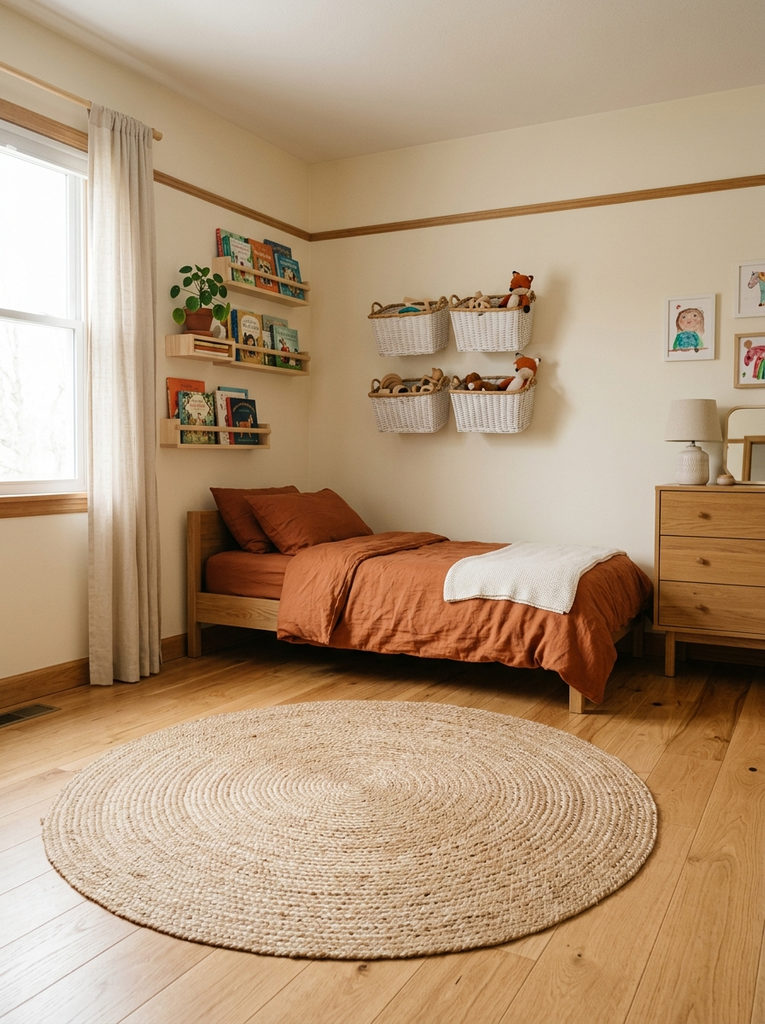
A clear floor makes any room look larger and gives kids space to play. Move storage onto the walls with shelves, hooks, rails, and mounted baskets. Even a small rug looks bigger when it isn’t surrounded by clutter. As a rule, aim to keep at least half of the floor open. If you’re looking for broader organizing strategies, our home organization ideas can help you keep the whole house in order.
29. Combine Sleep, Study, and Play Zones
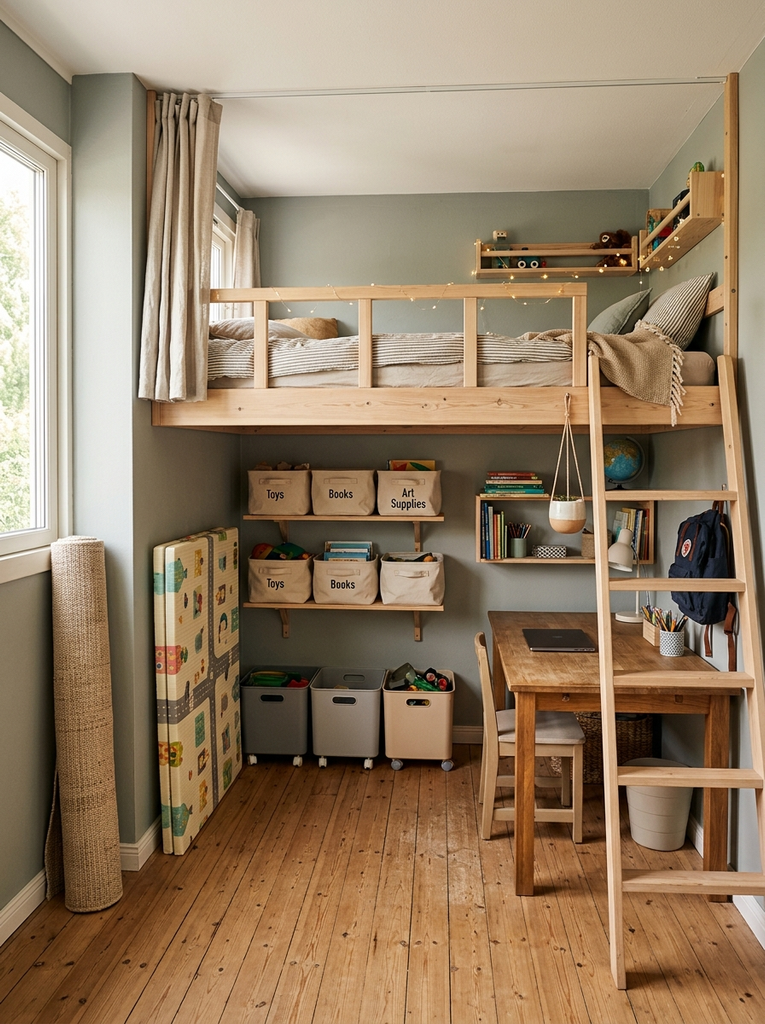
In a truly small room, one area may need to serve all three purposes. A loft bed with a desk underneath, a rug that rolls up, and wall mounted storage can handle everything. Use furniture on wheels so you can reconfigure the room quickly. Children’s needs change fast, so choose flexible pieces that adapt as they grow from playtime to homework time.
30. Keep Small Kids Bedroom Ideas for Small Rooms Simple and Clutter Free
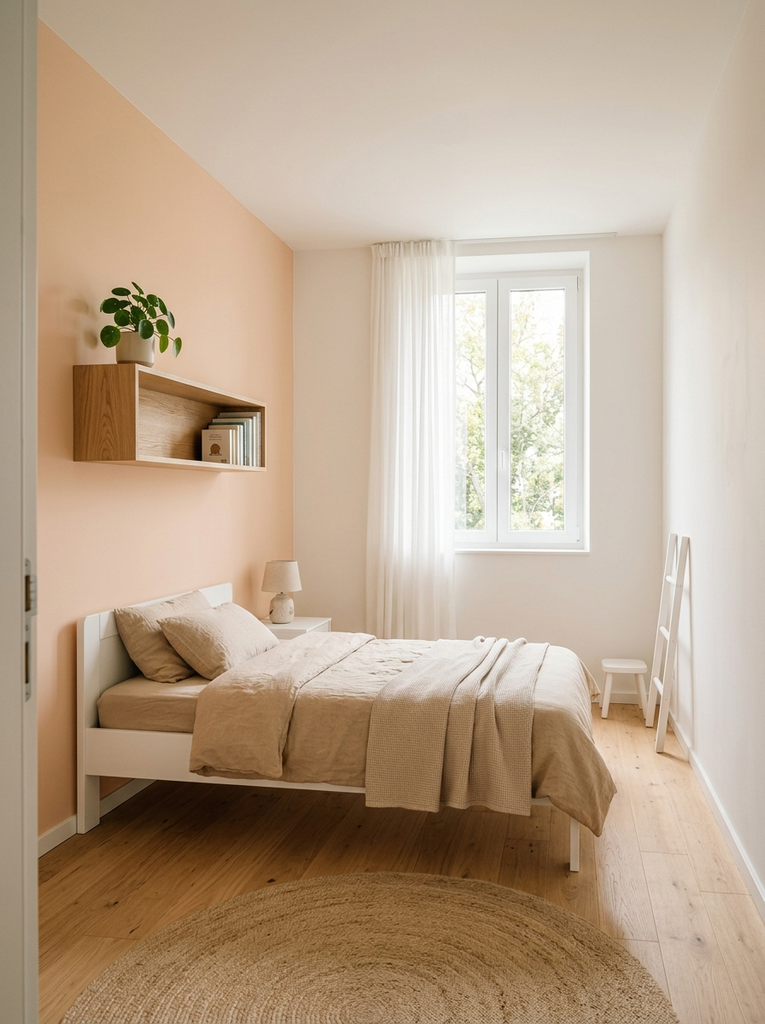
The simplest kids bedroom ideas for small rooms are often the most effective. Edit toys regularly, rotate what’s on display, and give every item a home. Fewer, better chosen pieces make a room feel calmer and larger. Involve your kids in decluttering so they learn to take care of their space. A tidy, simple room is easier to clean, easier to live in, and easier to enjoy.
Kids Bedroom Ideas for Small Rooms: How to Make Every Inch Count
Once you’ve picked your favorite ideas, it helps to step back and think about the big picture. A small room works best when you plan around three principles: storage, height, and flexibility. Together, they make the difference between a room that feels cramped and one that feels cleverly designed.
Prioritize Storage in Kids Bedroom Ideas for Small Rooms
Kids accumulate things quickly, so storage should come first. Before you add decor, make sure every toy, book, and piece of clothing has a clear place. Combine different types of storage, such as drawers, baskets, shelves, and hooks, so that nothing overflows. Choose options that children can reach themselves, since a system that kids can use is a system that actually stays organized.
Use Vertical Space in Kids Bedroom Ideas for Small Rooms
Walls are your biggest untapped resource. Lofted beds, tall bookcases, high shelves, and wall-mounted organizers all move items off the floor. Place everyday items at a child-friendly height and reserve higher areas for things used less often. Always secure tall furniture to the wall for safety. Used wisely, vertical space can nearly double your storage without shrinking the play area.
Choose Multifunctional Furniture for Kids Bedroom Ideas for Small Rooms
Furniture that does more than one job is the secret weapon of small rooms. Storage beds, daybeds with drawers, trundles, and benches with hidden compartments all save space. Pick pieces that can grow with your child, such as adjustable desks and modular shelving. Multifunctional furniture often costs a bit more upfront, but it saves money over time by reducing the number of items you need to buy.
Conclusion
A small room can still feel comfortable, organized, and fun when every piece of furniture has a purpose. The best kids bedroom ideas for small rooms focus on using vertical space, hidden storage, multifunctional furniture, and smart layouts. Start with one or two changes, such as a storage bed or a few wall shelves, and build from there. With a little planning, your child’s small bedroom can become a space they love, and one that stays tidy long after the first week.