
How to Clean a Leather Couch the Right Way (Proven, Safe Steps)
Learn how to clean a leather couch safely with simple steps, stain removal tips, and conditioning advice to keep leather soft for years.
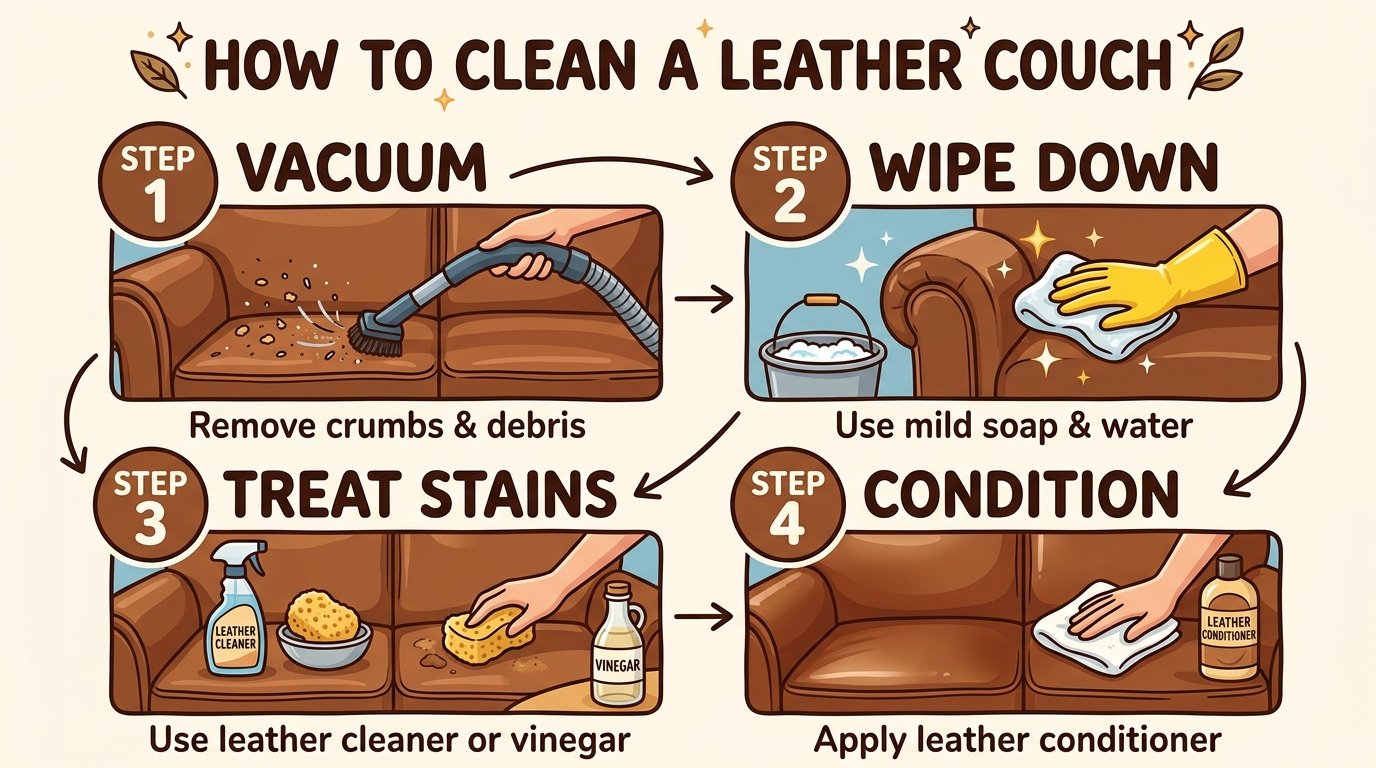
A leather couch is one of the most durable pieces in a living room, but it is not maintenance-free. Body oils, dust, spilled coffee, and sunlight slowly dull the surface, and the wrong cleaner can do more harm than the dirt itself. If you have ever wondered how to clean a leather couch without leaving it dry, streaky, or faded, the good news is that the process is simple once you know the rules. This guide walks you through the supplies, the step by step method, stain removal, conditioning, and the habits that keep leather soft for years. Here is everything you need to know about how to clean a leather couch, from the first dust-off to the final conditioning.
How to Clean a Leather Couch Without Damaging It

The secret to safe cleaning is understanding that leather is a natural skin, not a fabric. It absorbs liquids, reacts to harsh chemicals, and dries out when it loses its natural oils. That is why the gentlest method that still removes the dirt is always the best one.
Start by identifying what kind of leather you own. Most modern couches use finished (also called protected or pigmented) leather, which has a thin coating that resists spills and is the easiest to care for. Aniline and semi aniline leather feel softer and more natural because they have little or no protective coating, so they stain easily and need extra caution. Nubuck and suede have a brushed surface and should never be cleaned with water based methods.
A quick way to tell place a single drop of water on a hidden spot. If it beads up or sits on top, you probably have finished leather. If it soaks in and darkens the spot quickly, the leather is unprotected, and you should stick to dry methods or a specialist leather cleaner.
Whatever you own, three principles apply every time use as little moisture as possible, never scrub aggressively, and always test any product on a hidden area first. Follow those, and you will avoid the most common causes of cracked, faded, or sticky leather.
What You Need to Clean a Leather Couch

Learning how to clean a leather couch does not require a cupboard full of products. A short list of simple tools is enough for routine cleaning:
- A soft vacuum brush attachment to lift dust and crumbs from seams and crevices.
- Two or three clean microfiber cloths, which are gentle on the surface and leave no lint behind.
- Distilled water, which avoids the mineral deposits that tap water can leave on leather.
- A pH balanced leather cleaner or a very mild, clear soap such as unscented castile or baby shampoo.
- A leather conditioner to restore moisture after cleaning.
- A soft bristled brush for textured or grained leather.
- Cornstarch or baking soda for fresh grease marks.
- Cotton swabs for spot treatments and testing.
Choose a cleaner made specifically for leather whenever possible. These formulas are balanced to lift dirt without stripping the finish. If you keep your supplies in one spot, cleaning becomes much faster, and our guide to cleaning supplies organization ideas shows how to set that up.
Shop This Look


As an Amazon Associate, we earn from qualifying purchases.
What to Avoid When Cleaning a Leather Couch
When you are learning how to clean a leather couch, knowing what not to do matters as much as knowing what to do. Many well meaning home remedies cause permanent damage, and leather rarely forgives mistakes.
- Bleach and ammonia: Both strip color and break down the protective finish.
- Alcohol based or heavily scented products: Hand sanitizer, perfume, and strong disinfectant wipes dry out the surface and can leave pale patches.
- Baby wipes and multipurpose wipes: They contain ingredients that are too harsh for leather over time.
- Undiluted vinegar: It is acidic enough to dry and dull the finish.
- Soaking the leather: Too much water leads to stains, stiffness, and warping. Always use a barely damp cloth.
- Abrasive sponges and scrubbing pads: They scratch the surface and remove color.
- Heat from hair dryers or radiators: Fast drying makes leather shrink and crack.
- Direct sunlight while drying: It speeds up fading and dries the leather unevenly.
It is also worth avoiding furniture polish, oils from the kitchen, and all in one household sprays. Olive oil or coconut oil may seem like natural conditioners, but they can turn rancid, attract dust, and leave the couch greasy. When in doubt, keep the routine simple: gentle cleaner, soft cloth, proper conditioner.
How to Clean a Leather Couch Step by Step
This routine works for most finished leather couches and takes about 30 to 45 minutes. Work in good light so you can see dirt and streaks as you go. For a second expert opinion, Real Simple also shares a helpful leather couch cleaning guide that covers the same basics.
Step 1: Check Your Leather Couch’s Care Instructions

Before you do anything, look for the care tag, usually under a seat cushion or along the back of the couch. Manufacturers often use cleaning codes. A “W” means you can use water based cleaners, an “S” means solvent based cleaners only, “WS” allows either, and an “X” means vacuum or brush only. If you cannot find a tag, check the manufacturer’s website using the model name. Following these instructions protects your warranty and prevents guesswork, especially with aniline or semi aniline leather.
Step 2: Remove Dust and Loose Dirt
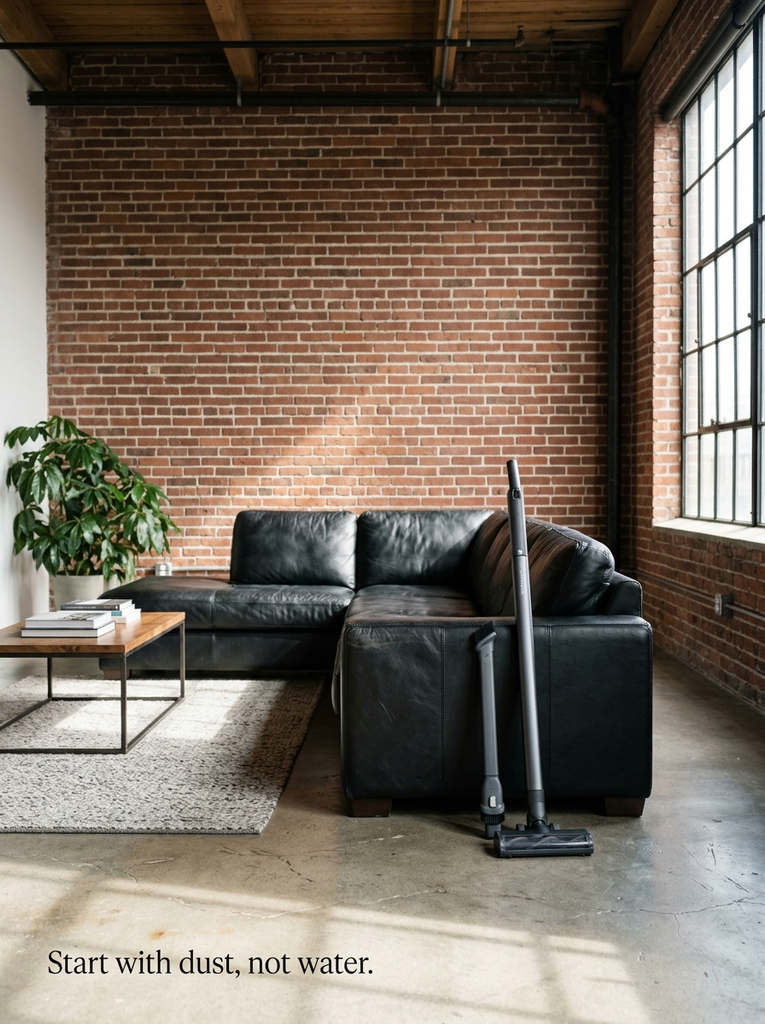
Use the soft brush attachment of your vacuum to remove crumbs, pet hair, and dust. Pay special attention to the seams, the gaps between cushions, and the area where the seat meets the arms, because grit trapped in these places acts like sandpaper every time someone sits down. Lift the cushions and vacuum underneath, then wipe the whole surface with a dry microfiber cloth. Skipping this step is a common mistake: wet cleaning over loose dirt just turns it into mud and pushes it deeper into the grain.
Step 3: Test a Suitable Leather Cleaner
Choose a hidden spot, such as the back of the couch or underneath a cushion. Apply a small amount of your chosen cleaner to a cloth and rub it gently on the area. Let it dry completely, which can take an hour or more. Check for darkening, color transfer onto the cloth, stickiness, or a change in texture. If everything looks normal, you are safe to continue. If you see any change, stop and try a milder option or contact a leather care professional. Never skip this test, even with products labeled safe for all leather types.
Step 4: Gently Clean the Leather Couch
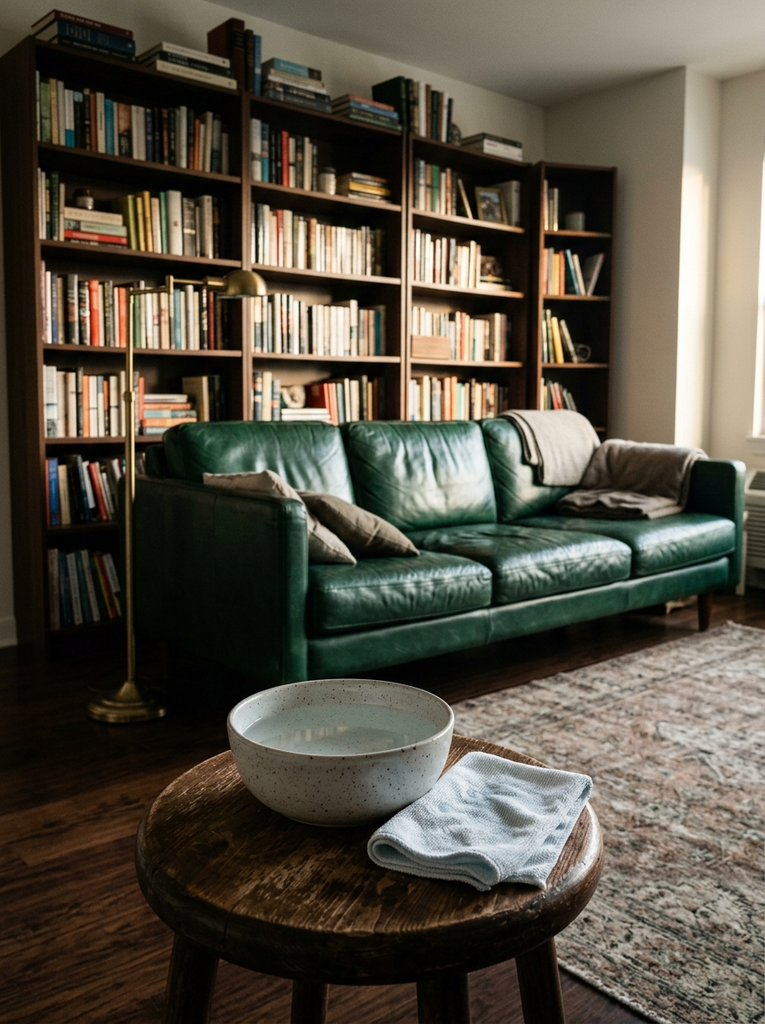
Mix a few drops of mild soap into a cup of distilled water, or use your pH balanced leather cleaner as directed. Dampen a microfiber cloth and wring it out until it is only slightly moist, not wet. Working in small sections, wipe the leather in gentle circular motions or in the direction of the grain. Clean one cushion or one arm at a time so the surface never stays wet for long. For textured leather, a soft bristled brush can lift dirt from the grain. Rinse the cloth often and keep your pressure light. Pay extra attention to the armrests and headrest, where body oils build up fastest.
Step 5: Wipe Away Residue and Let It Dry
Go over each section with a second cloth dampened with plain distilled water to remove any soap film, then immediately pat it dry with a clean, dry microfiber cloth. Leave the couch to air dry at room temperature, away from direct sunlight, heaters, and vents. Drying usually takes a few hours, and the leather should feel completely dry before anyone sits on it. Once it is dry, you can move on to conditioning, which keeps the leather from tightening or cracking.
How to Remove Common Stains From a Leather Couch
Speed matters with stains, and the same gentle principles for how to clean a leather couch apply to spot treatment. The sooner you treat them, the less time they have to soak into the leather. Always blot rather than rub, and test any stain treatment on a hidden area first.
How to Remove Grease Stains From a Leather Couch
Grease from food, lotion, or skin oils darkens leather but often responds well to a gentle absorbent. Blot away any excess with a clean cloth without pressing the grease deeper. Then cover the mark with a generous layer of cornstarch or baking soda and leave it for several hours, or overnight for older marks. The powder draws the oil out of the leather. Brush it off with a soft cloth and repeat if the mark is still visible. Finish by wiping the area with a lightly damp cloth and applying a little conditioner. Avoid dish soap and household degreasers, which are too strong for leather.
How to Remove Ink Stains From a Leather Couch
Ink is one of the hardest stains to remove, and results depend heavily on the type of leather. On finished leather, dip a cotton swab in a small amount of rubbing alcohol and dab the ink very gently, using a fresh swab as soon as the old one picks up color. Do not rub, because that spreads the ink and can lift the leather’s color. Dry the area immediately and condition it afterward, since alcohol removes moisture. On aniline, nubuck, or suede leather, do not use alcohol at all. Old or large ink marks are best left to a professional leather cleaner, because a failed home attempt can leave a permanent pale patch that is worse than the original stain.
How to Clean Food and Drink Spills From a Leather Couch
For spills such as coffee, wine, juice, or sauce, blot immediately with a dry, absorbent cloth. Press down gently and lift, working from the outside of the spill inward so it does not spread. Once most of the liquid is gone, wipe the area with a cloth dampened in distilled water and a drop of mild soap. Rinse with a clean damp cloth, then pat dry. For sticky residues such as jam or melted candy, let the substance harden slightly, remove it with a plastic spoon edge, and then clean the area as above. Red wine and dark drinks can stain unprotected leather quickly, so act fast and consider calling a specialist for stubborn marks.
How to Condition a Leather Couch
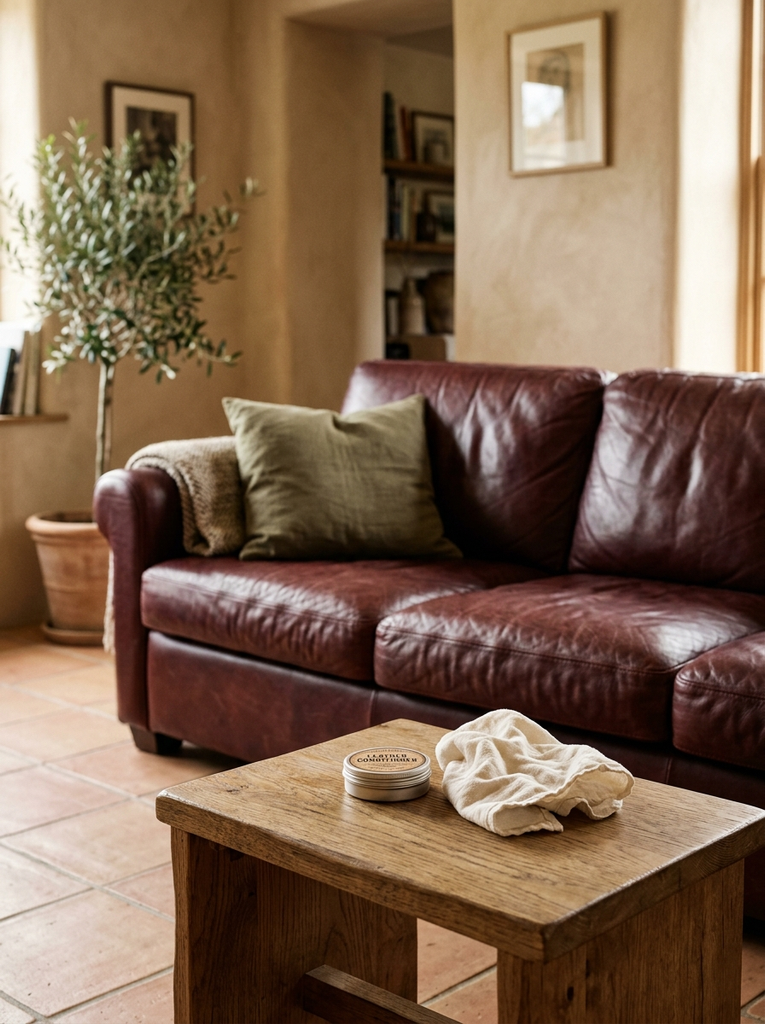
No guide on how to clean a leather couch is complete without conditioning. Cleaning removes dirt, but it also removes some of leather’s natural moisture. Conditioning replaces it, keeping the surface supple and helping it resist cracks peeling, and fading. Skipping this step is the most common reason leather couches look tired after only a few years.
Wait until the couch is completely dry after cleaning. Choose a conditioner made for furniture leather and test it on a hidden spot first. Apply a small, coin sized amount to a clean microfiber cloth and work it into the leather in light circular motions, one section at a time. Less is more a thin, even layer absorbs better than a thick one, and too much product leaves the surface sticky and attracts dust.
Let the conditioner absorb for the time listed on the label, usually 15 to 30 minutes. Then buff the surface with a clean, dry cloth to remove any excess and bring back a soft, natural sheen. Pay special attention to high contact areas such as armrests, headrests, and seat cushions, which dry out the fastest. Note that conditioner is generally not used on nubuck or suede. Those materials need a dedicated suede brush and protector spray instead.
How Often Should You Clean a Leather Couch?

The right schedule for how to clean a leather couch depends on how much it is used, but a simple routine works for most homes:
- Weekly: Dust the surface with a dry microfiber cloth and vacuum the seams.
- Monthly: Wipe the whole couch with a lightly damp cloth to remove skin oils and fine dust.
- Every 3 to 6 months: Do a full cleaning using the step by step method above.
- Every 6 to 12 months: Apply leather conditioner. Couches near windows, heaters, or in dry climates may need it more often.
Homes with pets, children, or heavy daily use may need to shorten these intervals slightly. Always treat spills as soon as they happen rather than waiting for the next scheduled clean. If you like having everything planned out, our realistic weekly cleaning schedule makes it easy to fit a quick leather wipe-down into your routine.
Tips to Keep Your Leather Couch Clean and Well Maintained
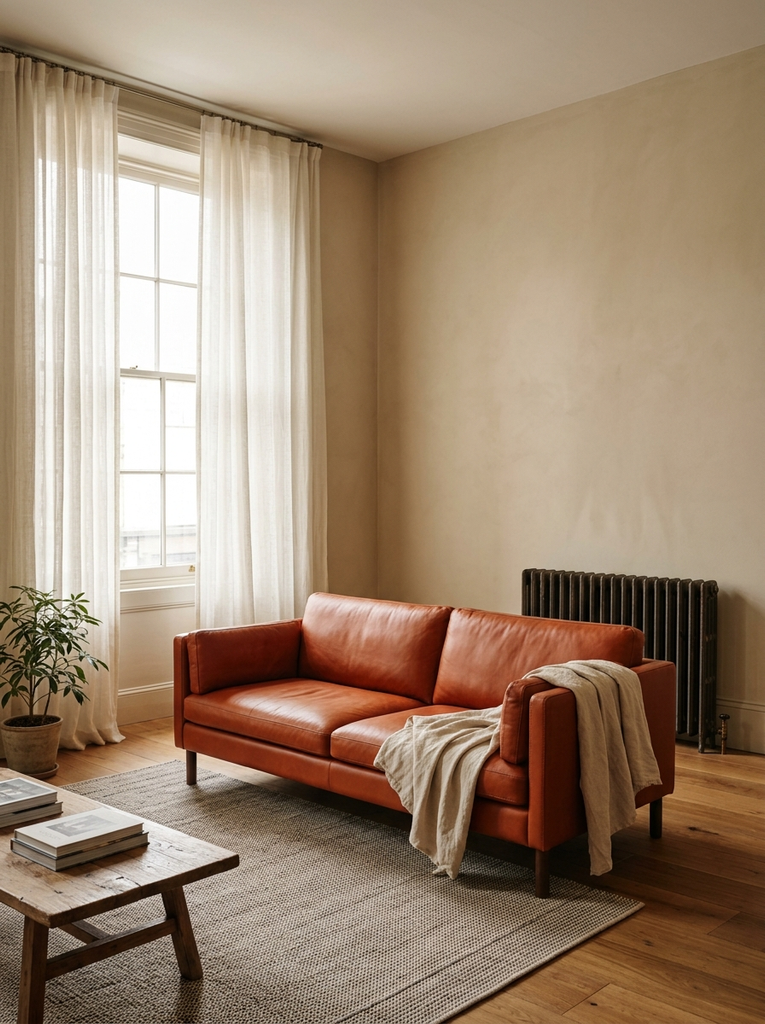
A little prevention goes a long way, and it makes how to clean a leather couch much easier next time. These habits keep leather looking better between deep cleans:
- Keep it out of direct sunlight. UV rays fade and dry leather quickly. Use curtains, blinds, or move the couch away from bright windows.
- Leave some distance from heat sources. Radiators, fireplaces, and vents dry out leather and cause cracking. Aim for at least a couple of feet of space.
- Blot spills right away. Quick action stops most liquids from soaking in.
- Rotate cushions. If your couch has removable cushions, swap them regularly so wear is even.
- Use throws in high wear spots. A washable blanket over the favorite seat protects the leather from oils, pet claws, and dye transfer from dark jeans.
- Keep pets’ nails trimmed. Claws scratch leather easily, and scratches on finished leather are difficult to hide.
- Avoid sitting with sharp objects. Keys, belt buckles, and rivets in back pockets can scratch the surface.
- Keep pens and newspapers away. Ink can transfer easily onto leather, especially light-colored couches.
- Use a protector for new couches. A leather protector designed for your type of leather adds a barrier against stains.
Humidity matters too. Very dry indoor air, common in winter when the heating runs, pulls moisture out of leather and speeds up cracking, while damp rooms can encourage mildew on the underside and in the seams. If your home swings between the two, a small humidifier or dehumidifier helps keep the air in a comfortable middle range. Finally, take a minute every few weeks to look closely at the couch. Catching a small scratch, a dry patch, or an early stain means you can treat it gently now instead of repairing it later.
Frequently Asked Questions About How to Clean a Leather Couch
Can You Clean a Leather Couch With Water?
Yes, but only a small amount and only on the right type of leather. Finished leather tolerates a lightly dampened cloth, ideally with distilled water, and should be dried immediately afterward. Aniline, nubuck, and suede leather absorb water easily and can stain or stiffen, so they need dry methods or specialist products. Never pour or spray water directly onto any leather couch.
What Is the Safest Way to Clean a Leather Couch?
The safest approach is to check the care label, vacuum away loose dirt, and then wipe the surface with a slightly damp microfiber cloth and a pH balanced leather cleaner, testing it on a hidden spot first. Dry the leather right away, and follow with a leather conditioner. This gentle routine handles most everyday dirt without risking the finish.
Can You Use Regular Household Cleaners on a Leather Couch?
No. All purpose sprays, disinfectant wipes, glass cleaner, and bleach based products are too harsh for leather. They strip its protective finish and natural oils, leading to dryness, discoloration, and cracking over time. Stick to products made for leather, or a mild soap diluted in distilled water for light cleaning.